


Siding Guide: Vinyl vs Fiber Cement vs Wood

Most siding choices in LA come down to fiber cement vs vinyl vs wood. Fiber cement (James Hardie is the dominant brand) lasts 30-50 years, is fire-resistant in WUI zones, and runs roughly 2x vinyl up front. Vinyl is the budget option but warps under direct sun. Wood looks beautiful but needs repainting every 3-7 years. Here's what you need to know about today's most popular siding materials.
1. Why Siding Matters in Southern California
Our climate presents unique challenges for siding materials. The intense UV radiation fades and degrades many materials faster than in other regions. Wildfire risk makes fire-resistant materials increasingly important, especially in hillside communities. Coastal areas add salt air corrosion to the mix. The good news is that our mild temperatures and low humidity spare siding from the freeze-thaw damage that plagues colder climates.
Buildda Tip
Check your local fire codes before choosing siding. Many LA-area communities now require fire-resistant materials on new construction and significant remodels.
2. Vinyl Siding: Affordable and Low-Maintenance
Vinyl remains America's most popular siding choice, and for good reason -it's affordable, durable, and needs almost no upkeep.
Advantages
Cost-effective at $3-8 per square foot installed. Rarely needs painting -the color goes all the way through the material. Resists rot, insects, and moisture. Wide range of colors and styles, including options that mimic wood grain. Easy repairs -individual panels can be replaced without disturbing surrounding areas.
Drawbacks
Can fade under intense California sun, especially darker colors. Not fire-resistant -some areas prohibit it for this reason. Can crack in extreme heat or if struck by objects. Some consider it less premium-looking than other options. Limited color change options -you can't paint vinyl effectively.
Best For
Budget-conscious homeowners in lower fire-risk zones who want minimal maintenance. Vinyl works well for ranch-style homes, contemporary designs, and any situation where cost efficiency is the priority.
3. Fiber Cement Siding: The Premium Choice
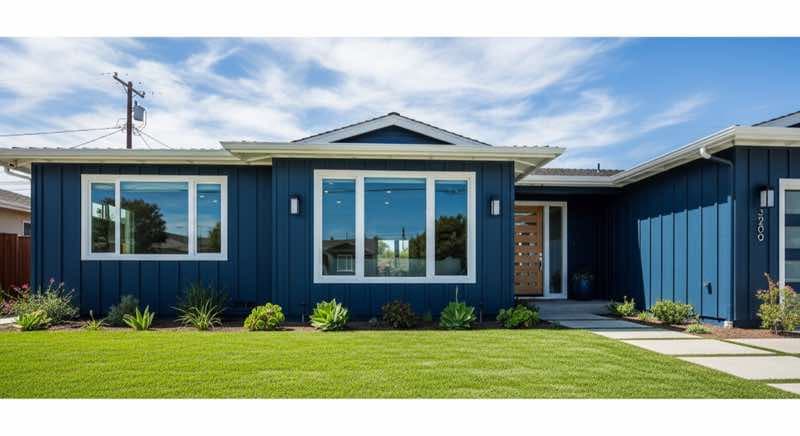
Fiber cement -sold under brands like James Hardie and CertainTeed -has become the go-to siding for quality-focused homeowners. Made from cement, sand, and cellulose fibers, it offers exceptional durability and versatility.
Advantages
Extremely durable with 30-50 year warranties. Non-combustible -excellent for fire-prone areas. Can mimic wood, stucco, or smooth finishes convincingly. Paintable -you can change colors whenever you want. Resists rot, termites, and warping. Holds paint well in our sunny climate.
Drawbacks
Higher cost at $8-15 per square foot installed. Heavier than vinyl, requiring more robust installation. Must be painted or comes pre-finished, adding to maintenance. Cutting generates silica dust, requiring professional installation with proper safety equipment.
Best For
Homeowners wanting long-term value, fire resistance, and design flexibility. Fiber cement suits Craftsman bungalows, traditional homes, and any property where fire safety is a concern.
Buildda Tip
James Hardie's ColorPlus technology adds factory-applied paint that resists UV fading better than field-applied finishes. The upfront cost is higher, but many homeowners find it worthwhile in our sunny climate.
4. Wood Siding: Classic Beauty with Higher Maintenance
Nothing quite matches the warmth and authenticity of real wood siding. Cedar, redwood, and other species have graced California homes for generations.
Advantages
Distinctive natural beauty and character. Each installation is unique with natural grain variations. Excellent insulation properties. Renewable when sourced from FSC-certified or similar managed forests. Can be stained or painted any color. Ages gracefully with proper care.
Drawbacks
Highest maintenance requirements -needs refinishing every 3-7 years. Vulnerable to moisture, rot, and insects if not properly maintained. Not fire-resistant without treatment. Most expensive option at $8-20 per square foot installed. Requires skilled installation to perform well.
Best For
Historic homes, architecturally significant properties, and homeowners committed to regular maintenance. Wood siding makes sense when authenticity matters more than convenience.
5. Cost Comparison
Here's what to budget for complete siding replacement on a typical 1,500 square foot home:
Material Costs Installed
Vinyl: $4,500-$12,000
Fiber cement: $12,000-$22,500
Wood (cedar): $12,000-$30,000
What Affects Your Price
Total square footage of exterior walls. Number of windows, doors, and architectural details requiring trimwork. Whether existing siding must be removed or new material can go over it. Accessibility and height of your home. Geographic location within Southern California. Quality grade within each material type.
Long-Term Cost Considerations
Factor in maintenance when comparing materials. Vinyl's low upfront cost plus zero painting makes it often the most cost-effective over 30 years. Fiber cement costs more initially but holds up well with occasional repainting. Wood's ongoing refinishing needs make it the most expensive long-term option.
6. The Installation Process
Proper installation matters as much as material quality. Here's what to expect.
Preparation
The contractor assesses your existing walls, checking for moisture damage, rot, or structural issues. Any problems should be addressed before new siding goes up. Old siding is removed unless the new material can be installed over it -a decision based on the specific products and your wall condition.
Weather Barrier Installation
A weather-resistant barrier (house wrap like Tyvek) goes over the sheathing. This crucial layer prevents water infiltration while allowing moisture vapor to escape from inside the walls.
Siding Installation
Installation starts at the bottom and works up. Each piece overlaps or interlocks with the previous row. Proper nailing patterns allow for thermal expansion and contraction. Trim pieces, corner boards, and transitions around windows and doors require careful detailing.
Finishing
Joints are caulked as needed. If the siding requires painting, that happens once installation is complete. Final cleanup and inspection ensure quality work.
Buildda Tip
Ask your contractor specifically about their weather barrier installation. This hidden component is crucial for preventing moisture problems, yet some contractors cut corners here.
7. Making Your Decision
Consider these factors when choosing your siding material.
Fire Safety
If you're in a wildland-urban interface zone or simply want maximum fire protection, fiber cement is the clear choice. Check whether your homeowner's insurance offers discounts for fire-resistant materials.
Maintenance Tolerance
Be honest about whether you'll keep up with wood maintenance. If repainting or staining every few years isn't realistic for you, vinyl or fiber cement will serve you better.
Aesthetic Goals
Walk your neighborhood and note which homes appeal to you. Often you can't tell fiber cement from wood at a distance. Vinyl has improved dramatically but still lacks the depth of more premium materials.
Budget Reality
Don't stretch beyond your means for premium siding if it leaves no budget for quality installation. Properly installed vinyl performs better than poorly installed fiber cement every time.
Resale Considerations
In many Southern California markets, fiber cement siding commands a premium at resale. Buyers recognize the material and associate it with quality. However, well-maintained wood or vinyl won't hurt your home's value.
8. Frequently Asked Questions
Can I install new siding over existing siding?
Sometimes, but not always. It depends on the condition of your walls, the old siding type, and the new material. Your contractor should inspect and advise.
How long does siding installation take?
Most homes can be completed in 1-2 weeks, depending on size and complexity.
Does siding affect home value?
Yes. New siding may recover a significant portion of its cost at resale, and quality materials like fiber cement can boost perceived value beyond the direct cost recovery. *Actual returns vary by market and property.
What about stucco instead of siding?
Stucco remains popular in Southern California and deserves consideration. It offers fire resistance, longevity, and a distinctly regional aesthetic. We cover stucco in detail in our separate guide.
Can I mix siding materials?
Yes. Many homes use board and batten on gables with horizontal siding below, or combine shake accents with smooth siding. A skilled installer can make material transitions look intentional and attractive.
Moving Forward
Choosing siding involves balancing durability, maintenance, aesthetics, fire safety, and budget. There's no single best choice -only the best choice for your specific situation.
Take time to see materials in person, not just online photos. Drive through neighborhoods with homes featuring each siding type you're considering. Talk to homeowners who've had recent installations.
When you're ready to explore options for your home, Buildda can connect you with experienced siding contractors who know Southern California's unique requirements. The right professional will help you balance all these factors and deliver an installation that protects and beautifies your home for decades.
Local Tip: Siding in Culver City
Many Culver City homes feature original stucco or wood siding from the mid-century era. When replacing siding, consider fiber cement (James Hardie) which handles our climate well and comes in period-appropriate styles. The Building Safety Division requires permits for full siding replacement. Carlson Park and Blair Hills neighborhoods have homes where matching the existing architectural style matters to maintain property values.
Local Tip: Siding Near the Coast
In Santa Monica and Venice, salt air degrades wood siding faster than inland areas. Fiber cement or engineered wood products significantly outlast natural wood within a mile of the ocean. Vinyl siding, while low-maintenance, can warp under intense direct sun on south-facing walls.
Get Siding in Your Area
Professional contractors serving the Greater Los Angeles area
Popular service areas:
Also explore related services:


