


Driveway Materials: Concrete, Pavers, Asphalt

Your driveway makes a first impression before guests even reach your front door. It handles the weight of vehicles daily, endures sun exposure, and needs to look good while doing all of this. In Southern California, we have the advantage of mild weather but face unique challenges from UV exposure and occasional heavy rain. Here's what you need to know about choosing the right driveway material.
1. Concrete Driveways
Concrete remains the most popular driveway material in our region, and for good reason -it's durable, relatively affordable, and offers design flexibility.
Advantages
Concrete handles heavy vehicles without rutting or deformation. It reflects rather than absorbs heat, keeping surface temperatures lower than dark materials. Properly installed concrete can last 30+ years with minimal maintenance.
Design options have expanded dramatically. Stamped patterns mimic stone, brick, or tile. Integral colors and stains create custom looks. Exposed aggregate reveals decorative stones in the mix. Scored patterns add visual interest without the cost of stamped finishes.
Drawbacks
Concrete can crack over time, especially if the base wasn't properly prepared or if soil conditions cause movement. While cracks don't affect function, they're visible and can worsen if not addressed.
Oil and fluid stains show readily on light concrete surfaces. Once stained, they're difficult to remove completely.
Costs
Standard brushed concrete: $6-12 per square foot
Stamped or decorative concrete: $12-20 per square foot
Exposed aggregate: $10-16 per square foot
For a typical two-car driveway (600 square feet), expect $3,600-12,000 depending on finish.
Buildda Tip
Invest in proper base preparation. Skimping here leads to cracking later. Reputable contractors include adequate base work in their pricing rather than treating it as an optional extra.
2. Paver Driveways
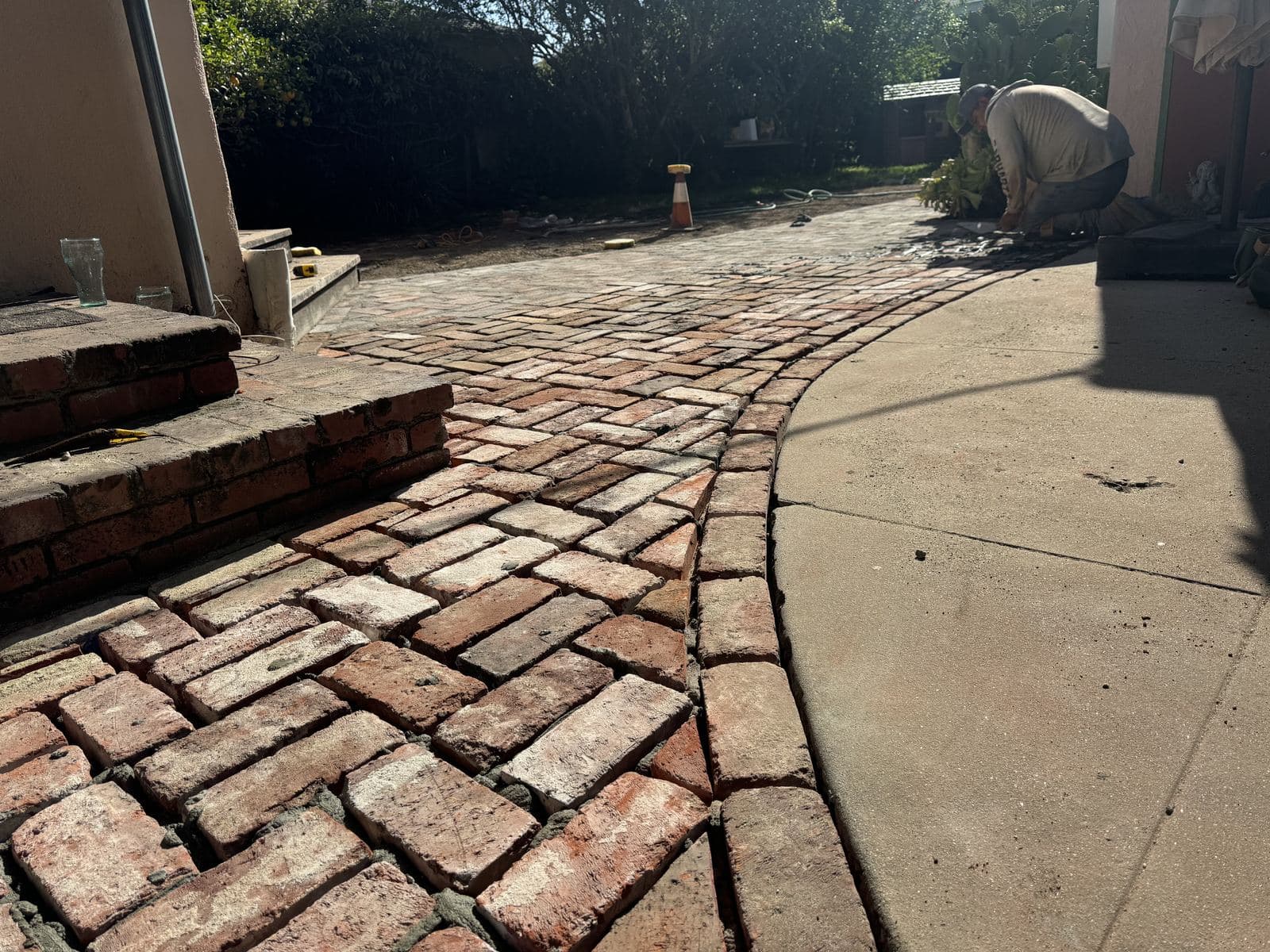
Interlocking pavers create elegant driveways with distinctive character. Whether concrete pavers or natural stone, this option offers premium aesthetics and practical benefits.
Advantages
Individual pavers can be removed and replaced if damaged or stained -try that with a concrete slab. This also allows access to underground utilities without destroying the entire driveway.
Pavers handle ground movement better than solid concrete. The interlocking design flexes with soil changes rather than cracking. For properties with expansive soil or active roots, this flexibility is valuable.
The design possibilities are nearly endless. Mix colors, create patterns, add borders, or incorporate decorative insets. Pavers make a statement that plain concrete can't match.
Drawbacks
Initial cost is significantly higher than concrete. Professional installation is essential -poorly installed pavers shift, sink, and allow weeds to grow through.
Joint sand between pavers needs periodic replenishment. Weeds can emerge through joints if maintenance lapses. Ant hills sometimes appear in the sand base.
Costs
Concrete pavers: $12-25 per square foot
Porcelain pavers: $20-35 per square foot
Natural stone pavers: $25-50+ per square foot
For a typical two-car driveway, expect $7,200-30,000 depending on material choice.
Buildda Tip
Choose pavers rated for vehicular traffic. Thinner decorative pavers designed for patios will crack under car weight. Your contractor should specify appropriate products.
3. Asphalt Driveways
While less common in residential Southern California than in other regions, asphalt offers specific advantages worth considering.
Advantages
Asphalt is the most affordable paved option, typically 20-30% less than concrete. Installation is faster, often completed in a day or two.
The dark surface hides oil stains better than light concrete. Some homeowners prefer the appearance, especially for long rural driveways or properties with a more casual aesthetic.
Asphalt is easily repaired. Small cracks and holes are patched readily, and the surface can be resurfaced rather than replaced when wear occurs.
Drawbacks
Asphalt softens in extreme heat, which is a consideration in our sunny climate. Very hot days can leave the surface tacky enough to show heel marks or allow impressions from parked vehicles.
The material requires periodic sealing -every 3-5 years is typical. Without maintenance, asphalt deteriorates faster than concrete.
Aesthetically, asphalt offers limited options. It's black when fresh, fading to gray over time. No stamping, coloring, or decorative options exist.
Costs
Standard asphalt: $4-8 per square foot
For a typical two-car driveway, expect $2,400-4,800.
4. Making the Right Choice
Consider these factors when deciding on your driveway material.
Budget Reality
If cost is the primary driver, asphalt offers the lowest upfront investment. Concrete provides good value with more design options. Pavers are the premium choice requiring significantly higher initial investment.
Long-Term View
Over 30 years, costs can shift. Concrete needs periodic crack repair and possible replacement at 25-30 years. Asphalt requires regular sealing and eventual resurfacing. Well-installed pavers can last indefinitely with minor maintenance.
Aesthetic Priorities
If visual impact matters, pavers deliver the most dramatic results. Stamped or stained concrete offers a middle ground. Asphalt serves the practical function without design enhancement.
Climate Considerations
In Southern California, UV exposure is intense. Concrete handles this well, though dark stains may become more visible over time. Asphalt can soften in extreme heat. Pavers generally perform excellently in our climate.
Property Value
Quality driveways enhance curb appeal and resale value. Paver driveways particularly stand out and can command premium pricing. However, over-improving relative to neighborhood norms may not return full value.
5. Installation Considerations
Proper installation matters more than material choice in determining long-term performance.
Base Preparation
All driveway types require proper base preparation. This means excavating to appropriate depth, installing and compacting gravel base material, ensuring proper drainage away from structures, and accounting for soil conditions specific to your property.
Drainage
Water must flow away from your home and garage. The driveway surface should slope at least 1/4 inch per foot toward the street or appropriate drainage area. Poor drainage leads to foundation problems, regardless of surface material.
Expansion Joints
Concrete requires expansion joints at specific intervals to control cracking. These planned weak points allow the material to move without random cracks forming elsewhere.
Edge Restraints
Paver driveways need edge restraints to prevent the pattern from spreading apart over time. These are typically concrete or heavy-duty plastic curbing hidden beneath the surface.
Buildda Tip
Ask potential contractors specifically about their base preparation process. The difference between adequate and excellent base work doesn't show initially but becomes apparent years later.
6. Maintenance Requirements
Different materials demand different ongoing care.
Concrete Maintenance
Seal concrete every 2-4 years to protect against stains and moisture. Clean oil spots promptly with appropriate degreasers. Fill small cracks before they expand. Keep edges clear of soil and vegetation that can undermine the slab.
Paver Maintenance
Replenish polymeric sand in joints every few years or as needed. Pull weeds that appear in joints. Treat individual pavers for stains rather than entire surface. Re-level any pavers that settle over time.
Asphalt Maintenance
Sealcoat every 3-5 years to protect the surface. Fill cracks promptly to prevent water infiltration. Clean oil spots with appropriate products before sealing.
7. Frequently Asked Questions
How long does installation take?
Concrete requires 2-4 days including curing time before driving on it. Pavers take 3-5 days for excavation, base, and paver installation. Asphalt can often be installed and ready for traffic within 24-48 hours.
Can I do a driveway myself?
Paver patios are achievable for skilled DIYers, but driveways require more expertise and equipment. Concrete and asphalt are professional-only jobs due to equipment and technique requirements.
What about permeable options?
Permeable pavers allow water to drain through, reducing runoff. They're increasingly popular and sometimes required in certain jurisdictions. They cost more than standard pavers but may eliminate the need for additional drainage systems.
Can I repair rather than replace?
Concrete with extensive cracking may need mudjacking (lifting sunken sections) or replacement. Asphalt can be resurfaced rather than replaced in many cases. Pavers can be individually replaced or releveled as needed.
How do costs compare to stamped concrete?
Stamped concrete and mid-range pavers often cost similarly. The choice comes down to the specific look you want and long-term maintenance preferences.
Moving Forward
Your driveway choice balances budget, aesthetics, durability, and maintenance willingness. There's no universally best option -only the best option for your specific situation.
Before committing to any material, see examples in person. Drive through neighborhoods with homes similar to yours and note which driveways catch your eye. Ask neighbors about their experience with different materials.
Local Tip: Driveways in Culver City
Culver City driveways typically serve lots of 5,000 to 8,000 square feet, so you're often working with a single-car or modest two-car driveway. In neighborhoods like Sunkist Park and Lucerne-Higuera, many homes still have original concrete from the 1950s that's showing its age. Stamped concrete and pavers are popular upgrades that add curb appeal without a massive footprint. Street parking pressure in areas near downtown Culver City and the Hayden Tract means a well-designed driveway can be especially valuable. The Culver City Building Safety Division typically doesn't require permits for driveway resurfacing, but check if you're changing the footprint or drainage patterns.
When you're ready to proceed, Buildda connects you with experienced driveway contractors who can evaluate your specific conditions and recommend appropriate solutions. Quality installation makes all the difference in how your driveway looks and performs for decades to come.
Get Driveway in Your Area
Professional contractors serving the Greater Los Angeles area
Popular service areas:
Also explore related services:


