
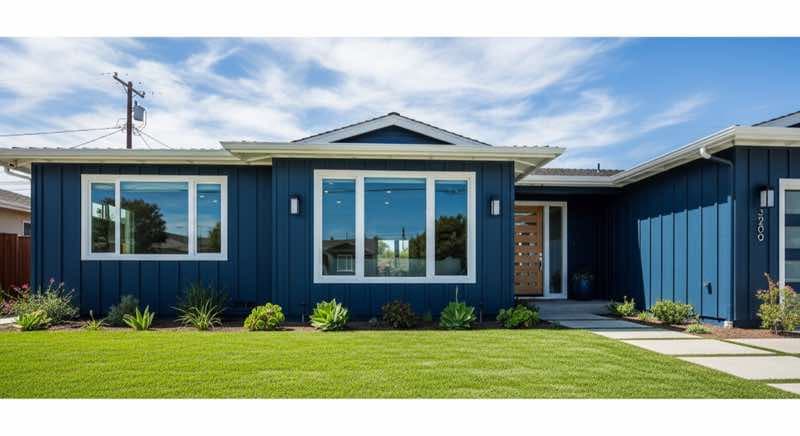
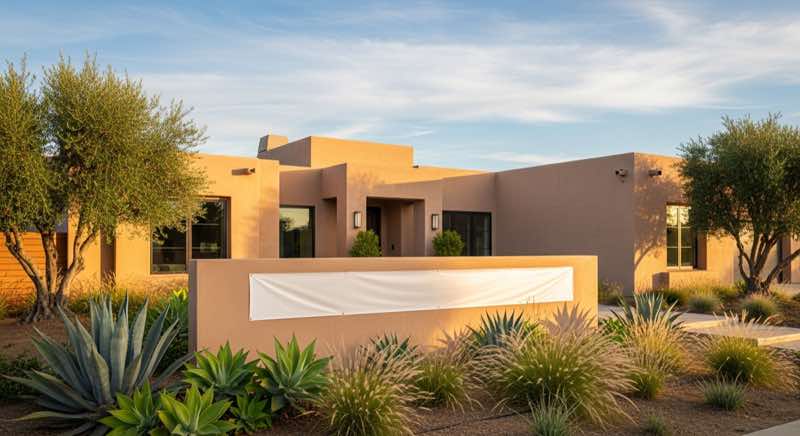
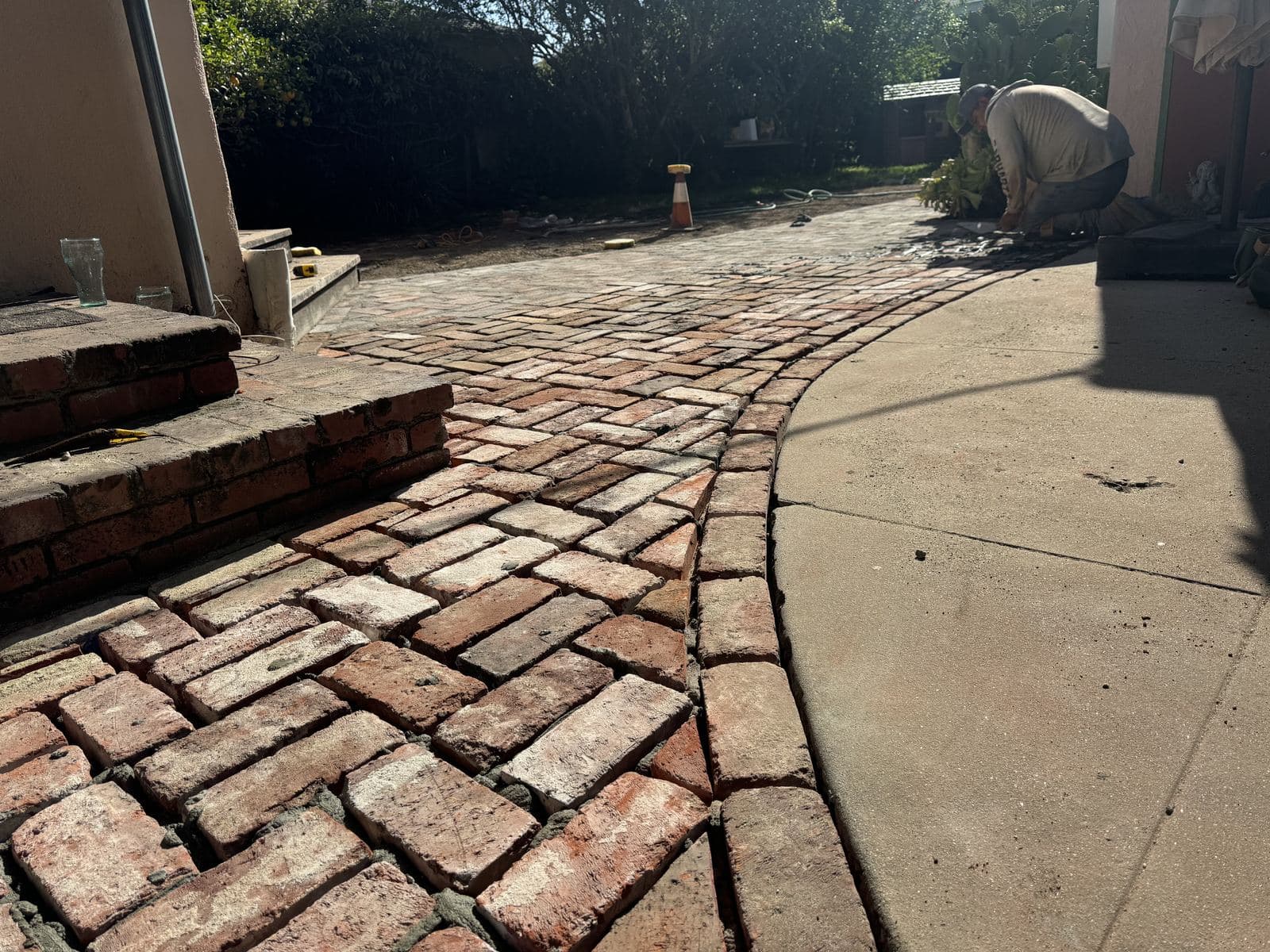

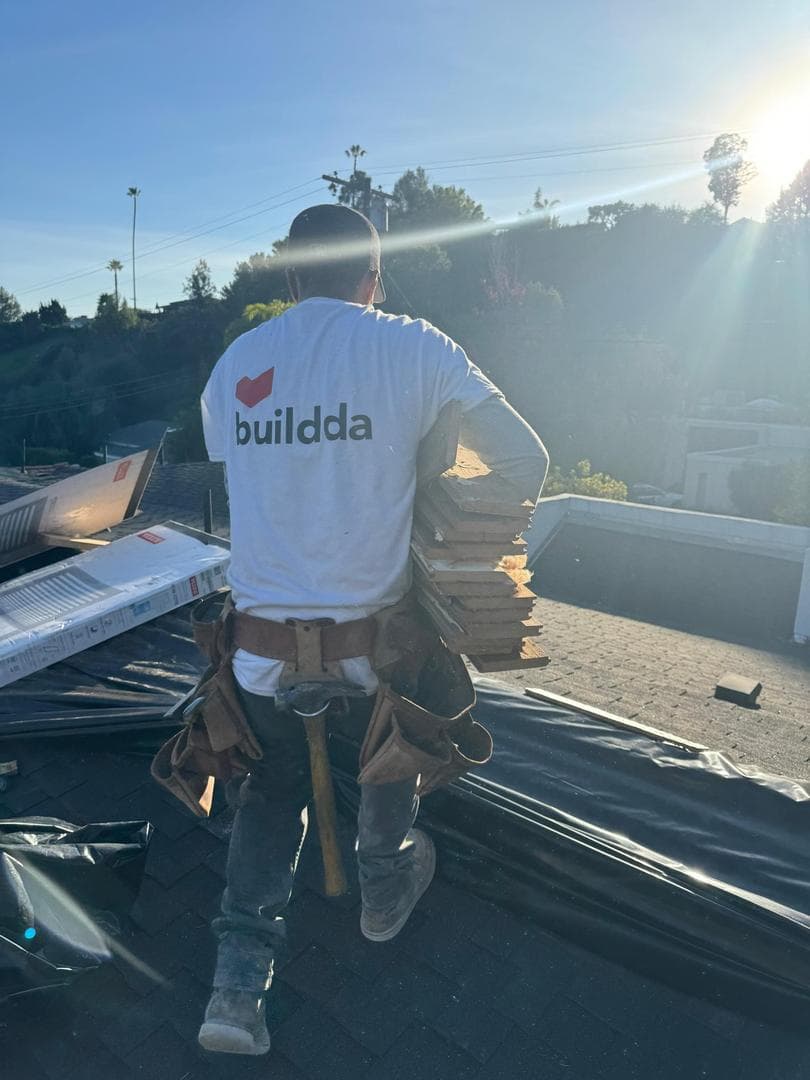

Exterior Makeover: Complete Home Transformation

What Is an Exterior Makeover?
Most homeowners approach exterior improvements one project at a time - a paint job this year, some siding repair next year. But in our experience, the biggest transformations happen when you coordinate everything together. Roof, siding, paint, windows, trim - when you plan them as one project, the result is a cohesive look that makes a dated house feel new.
Here is what we have learned about planning and executing a full exterior makeover in Southern California - the right order of operations, how to coordinate multiple trades, and what to prioritize when your budget does not cover everything at once.
1. Assessing Your Home's Current Condition
Before planning your makeover, honestly evaluate what needs attention.
The Roof
Look for missing, cracked, or curling shingles. Check for moss, algae, or discoloration. Note any sagging or uneven areas. If your roof is nearing the end of its life, replacing it should be part of your makeover plan.
Siding and Exterior Walls
Check for cracks, holes, rot, or weather damage. Note any peeling paint or faded areas. Assess whether the material itself is failing or just needs refinishing.
Windows and Doors
Look at both function and appearance. Are windows drafty or hard to operate? Do doors seal properly? Are frames rotting or trim peeling?
Paint and Finishes
How long since the last paint job? Is paint peeling, chalking, or faded? Has the current color scheme aged well?
Fascia, Trim, and Details
These elements frame everything else. Check for rot, damage, or deterioration.
Landscaping and Hardscape
Overgrown plants, cracked walkways, and tired landscaping all affect curb appeal. Include these in your assessment.
Buildda Tip
: Take photos from across the street -that's how others see your home. The perspective often reveals issues you overlook standing close.
2. Prioritizing Projects: Roof, Siding, Paint, Windows
With limited budgets, prioritization matters.
Start with Protection
Address anything that's allowing water into your home first. A failing roof, damaged siding, or deteriorated windows compromise everything else. There's no point painting if water is getting behind the walls.
Consider Longevity
If your roof has five good years left but siding is failing now, address the siding first. Plan major replacements based on actual condition rather than arbitrary timelines.
Think About Sequencing
Some work must precede other work. New gutters should wait until after roofing is complete. Painting should happen after siding repair.
Visual Impact vs. Investment
Paint provides dramatic visual improvement at relatively low cost. New windows cost more but offer energy savings that partly offset the investment. Balance immediate impact with long-term value.
3. Coordinating Colors and Materials
A successful makeover creates visual harmony.
Start with Fixed Elements
Your roof, if you're not replacing it, establishes one color anchor. Brick, stone, or other masonry you're keeping also constrains choices.
Create a Palette
Select a main body color, a trim color, and an accent color. Some homes benefit from an additional secondary color. These should complement your fixed elements.
Consider Architecture
Your home's style suggests appropriate palettes. Mediterranean homes work with warm earth tones. Craftsman homes suit natural, muted colors. Modern homes often feature bold contrasts or monochromatic schemes.
Material Coordination
If adding or replacing siding, the material should complement your roof and any existing masonry. Consider texture as well as color.
Sample Before Committing
Large color samples on the actual house reveal how colors look in your lighting and next to your existing elements. What looks great on a chip may look different on your wall.
Neighborhood Context
You want your home to stand out positively, not clash. Consider what works on similar homes nearby.
4. The Right Order of Operations
Sequencing affects both quality and efficiency.
Roofing First
If you're replacing the roof, do it first. Roofing generates debris that would damage new paint or landscaping. New gutters attach to the fascia exposed after roofing.
Then Windows and Doors
If replacing windows or doors, do this before exterior painting. Paint edges will be clean and complete.
Repair Before Finish
Fix any siding damage, rot, or structural issues before painting. Surface preparation is half the job.
Paint Last
Exterior painting is typically the final major step. You want all repairs complete and all other trades finished.
Landscaping Can Parallel
Hardscape and landscaping work can often proceed alongside other work, but protect plantings from damage and paint overspray.
5. Working with Multiple Trades
A full exterior makeover often involves several contractors.
General Contractor Approach
A general contractor coordinates all trades, handling scheduling, communication, and overall project management. This costs more but reduces your coordination burden.
Self-Managing
Hiring and coordinating trades yourself saves money but requires time and project management skill. You're responsible for scheduling, ensuring work meets specifications, and handling problems.
Choosing Contractors
Get multiple bids for each trade. Check references and verify licensing. For trades working together, ensure they're compatible -some contractors work well with others while some don't.
Communication
Ensure all contractors understand the overall vision and how their work fits in. Provide samples or references for desired results.
6. Budget Planning for a Full Makeover
Exterior makeovers involve significant investment. Plan carefully.
Gather Realistic Quotes
Get detailed bids for each component. Factor in permitting costs if applicable.
Prioritize Ruthlessly
If the total exceeds your budget, decide what's essential now versus what can wait. Phased approaches spread costs over time.
Include Contingency
Unexpected issues often arise during exterior work -hidden damage, needed repairs. Plan for 10-15% contingency.
Consider Financing
Home equity loans, HELOCs, or contractor financing can spread costs. Factor interest into your total cost calculation.
Value Engineering
Sometimes alternative materials or approaches achieve similar results for less. Discuss options with contractors.
7. Timeline Expectations
Full exterior makeovers take time.
Planning Phase
Design decisions, contractor selection, and permitting can take several weeks to months depending on project complexity and local permit processes.
Roofing
A typical residential roof replacement takes 2-5 days. Weather delays can extend this.
Window and Door Replacement
One to several days depending on the number of openings.
Siding
Partial repairs might take days; full residing takes one to several weeks.
Painting
Exterior painting typically takes 3-7 days for an average house, plus dry time between coats.
Total Timeline
A comprehensive exterior makeover might take 2-8 weeks of active work, depending on scope and contractor availability.
Buildda Tip
: Start planning in late winter for spring/summer completion. Popular contractors book up, and ideal painting weather is limited.
8. The Buildda Difference
At Buildda (CA Lic. #1131088), we handle full exterior makeovers as a single coordinated project. That means one team managing your roof, siding, paint, windows, and trim - so you do not have to coordinate multiple contractors yourself.
We understand the sequencing. We know which trades need to go first and how to keep the project moving without one trade damaging another's work. And we handle all permitting through your local building department.
Have questions about planning your exterior makeover? Contact us for a no-obligation consultation - we are happy to walk through your options.
Local Tip: Exterior Makeovers in Culver City
A complete exterior makeover in Culver City often involves multiple permits, one each for roofing, siding, windows, and any structural changes. Bundling these into one project with a single general contractor saves time and money versus doing them separately. Many homes in the Culver Crest and Blair Hills areas benefit from coordinated exterior updates that respect the neighborhood's architectural character.
Local Tip: Coastal Exterior Makeovers
Santa Monica and Venice homes face accelerated wear from salt air and UV. Prioritize materials rated for coastal exposure: fiber cement siding, marine-grade hardware, elastomeric paint, and corrosion-resistant roofing fasteners. A coordinated makeover lets you address all vulnerable surfaces at once.
Get Exterior Makeover in Your Area
Professional contractors serving the Greater Los Angeles area
Popular service areas:
Also explore related services:


