


Back Patio Remodel Guide: Costs & Ideas

A typical Southern California back patio sees 200+ days of usable weather a year and gets used 30-50 days. The gap is rarely about the slab itself; it is about shade, seating, lighting, and the path from the back door. Each one is fixable individually. Here is what you need to know about upgrading yours, from materials and costs to permits and design.
1. Patio Materials Compared
Choosing the right surface sets the foundation for everything else. Here are the most popular options for our region.
Concrete
The workhorse of SoCal patios. Brushed concrete is affordable and durable. Stamped concrete mimics stone, tile, or brick at a fraction of the cost. Stained concrete adds rich color that holds up to UV exposure.
Costs: $6-12 per square foot for standard brushed finish, $12-20 for stamped or stained. A typical 300 square foot patio runs $1,800-6,000.
Pavers
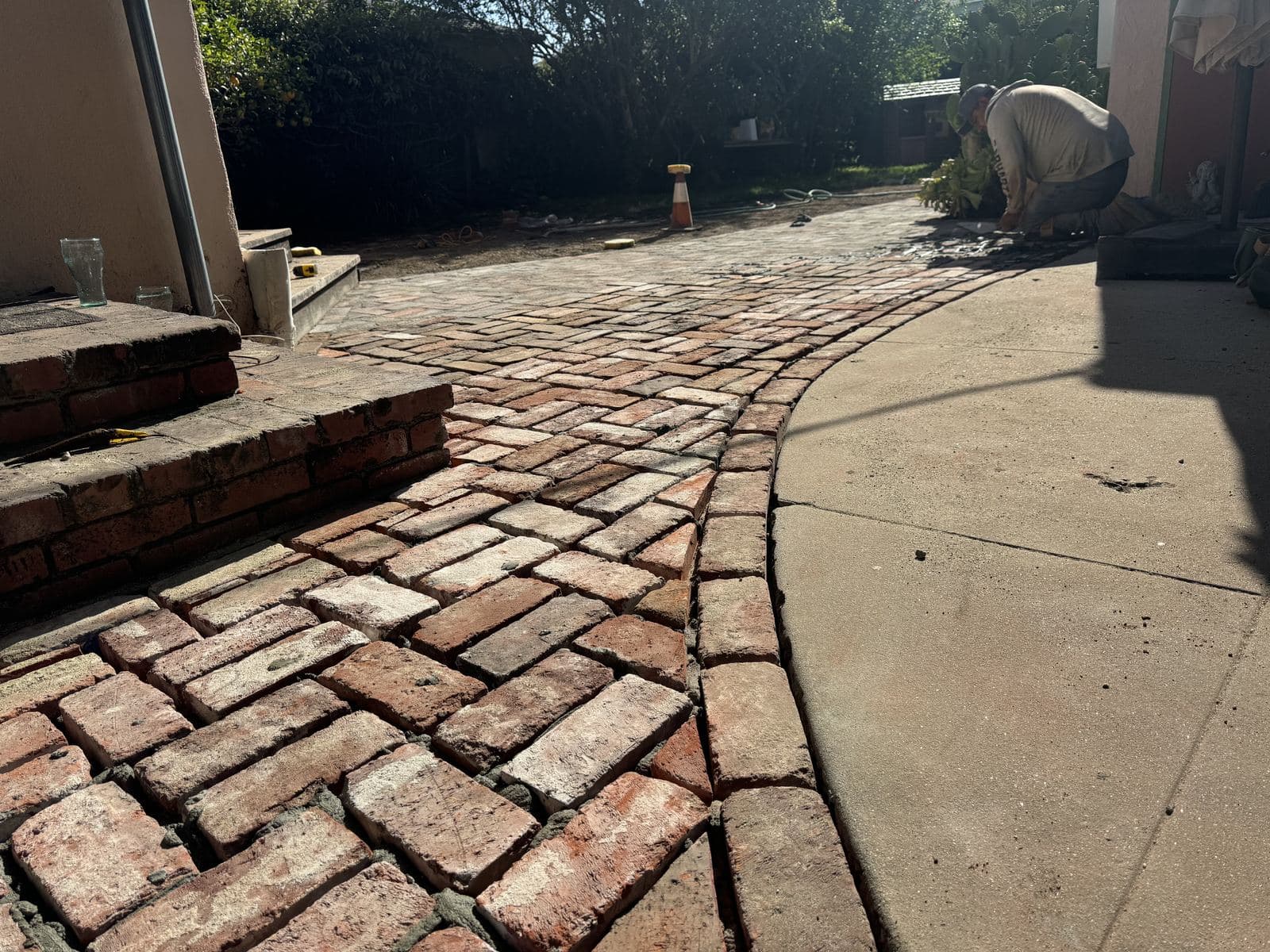
Interlocking pavers offer design flexibility and easy repair. If one paver cracks, you replace just that piece instead of cutting out a concrete section. They come in endless colors, shapes, and patterns.
Costs: $12-25 per square foot installed. A 300 square foot patio runs $3,600-7,500. Premium natural stone pavers can reach $30+ per square foot.
Flagstone
Natural flagstone creates an organic, high-end look. It handles heat better than dark pavers and naturally resists slipping when wet. However, it requires more maintenance and the irregular shapes make installation more labor-intensive.
Costs: $15-30 per square foot installed.
Buildda Tip
For Southern California, lighter-colored materials stay cooler underfoot. Dark pavers and concrete absorb heat and can become uncomfortable on summer afternoons. Ask about cool-surface options if your patio gets full afternoon sun.
2. Patio Covers and Shade
With our strong sun, shade is not optional for a usable patio. Here are your main options.
Pergola
Open-beam structure that filters sunlight and defines your outdoor room. Can be wood, vinyl, or aluminum. Add climbing plants or shade fabric for more coverage.
Costs: $3,000-8,000 for a basic wood pergola. Aluminum or vinyl: $5,000-12,000.
Solid Patio Cover
Fully enclosed roof over your patio. Provides complete shade and rain protection. Can be attached to your house (requires engineering for load bearing) or freestanding.
Costs: $5,000-15,000 depending on size and materials. Insulated patio covers with fans and lighting: $10,000-20,000.
Shade Sails
Modern, affordable alternative. Triangular or rectangular fabric panels stretch between anchor points. Easy to install and replace. Available in UV-blocking materials.
Costs: $200-800 per sail for DIY, $1,000-3,000 professionally installed with proper anchoring.
Buildda Tip
If you plan to add a solid patio cover attached to your house, check with your city first. Most LA County jurisdictions require a building permit and engineering calculations. LADBS and Culver City both require this.
3. Outdoor Lighting
Strategic lighting extends your patio use into the evening and adds ambiance.
Low-Voltage Landscape Lighting
LED path lights, uplights, and step lights run on a 12-volt transformer. Safe to install, energy-efficient, and available in warm or cool tones. Most systems cost $1,500-4,000 professionally installed.
String Lights
The easiest and most affordable upgrade. Commercial-grade string lights with LED bulbs handle weather and last years. Budget: $50-200 for DIY.
Built-In Ceiling Lights
For covered patios, recessed LED lights or pendant fixtures create a true outdoor room feel. Plan these during the patio cover installation to avoid retrofit costs.
Buildda Tip
Solar-powered lights work well for accent lighting but are not strong enough for primary illumination in Southern California. For dining areas and cooking spaces, plan for wired lighting with a switch.
4. Outdoor Kitchens and Fire Features
These are the upgrades that turn a patio from nice to we-live-out-here.
Built-In Grill or BBQ Island
A permanent cooking station with counter space, storage, and optional sink. Ranges from a simple built-in grill ($2,000-4,000) to a full outdoor kitchen with refrigerator, sink, and seating ($8,000-25,000+).
Fire Pit
Propane or natural gas fire pits provide warmth and ambiance without smoke or ash cleanup. Built-in fire pits cost $1,500-5,000. Portable options start around $300.
Fireplace
A full outdoor fireplace makes a dramatic focal point. Costs $5,000-15,000 for a masonry or prefab unit.
5. Permits in Los Angeles County
Not every patio project needs a permit, but many do. Here is the general breakdown.
Typically No Permit Needed:
Replacing an existing patio surface with the same footprint. Adding furniture, planters, lighting under 6 feet. Installing a portable fire pit.
Permit Usually Required:
New concrete or paver patio over 200 square feet. Any patio cover or pergola attached to the house. Built-in outdoor kitchen with gas or plumbing. Electrical work for permanent lighting. Retaining walls over 3 feet.
Processing times vary. LADBS typically takes 2-4 weeks for plan check on residential patio covers. Culver City and Santa Monica may have additional design review steps.
Buildda Tip
We handle the permit process for you. Our team knows the requirements for each jurisdiction across Los Angeles County and will submit engineered plans when required. This is included in our project management.
6. Design Ideas That Work in Southern California
Indoor-Outdoor Flow
French doors or large sliders connecting your kitchen or living room to the patio create seamless indoor-outdoor living. Match your interior flooring material or color to the patio for visual continuity.
Drought-Tolerant Landscaping
Frame your patio with plants that thrive without heavy watering. Succulents, lavender, rosemary, and ornamental grasses add color and texture while respecting water restrictions.
Multiple Zones
Divide larger patios into distinct areas: dining, lounging, cooking. Use different levels, planters, or pergola placement to define each zone without walls.
7. Maintenance Tips
Concrete: Reseal every 2-3 years to prevent staining. Power wash annually.
Pavers: Replace sand in joints every 1-2 years. Treat with polymeric sand to prevent weed growth.
Pergolas: Inspect wood annually for rot or insect damage. Repaint or restain every 3-5 years.
Furniture: Store cushions during rain. Use covers for extended periods of non-use.
8. Frequently Asked Questions
How long does a patio remodel take?
Simple resurfacing takes 3-5 days. New patio with cover takes 2-4 weeks. Full outdoor kitchen installation takes 4-8 weeks.
Does a patio add home value?
Outdoor living spaces are consistently rated among the top value-adding improvements in Southern California. A well-designed patio can increase usable square footage perception without the cost of an interior addition.
Can I finance my patio project?
Most contractors, including Buildda, offer financing options or can recommend lending partners for larger projects.
What is the best time of year to remodel?
Southern California allows year-round construction, but fall and winter are the quietest seasons for contractors. You may find shorter wait times and more scheduling flexibility.
Local Tip: Patio Living in Culver City
Culver City homeowners are increasingly converting basic backyards into full outdoor living spaces. The city's mix of mid-century and Spanish Colonial homes pairs beautifully with covered patios and courtyard-style designs. If your home is near the Culver City Arts District or Ivy Station, modern pergola designs complement the neighborhood's contemporary vibe. For homes in Carlson Park or Blair Hills, consider materials and styles that match the existing architectural character. Culver City Building Safety Division handles permits for patio covers and outdoor kitchens. Typical plan check takes 2-3 weeks for standard residential projects.
Local Tip: Patio Projects in Santa Monica
Santa Monica's Coastal Commission may apply to homes within the coastal zone. If your property is west of Lincoln Boulevard, check whether your patio project falls under Coastal Commission review, which can add 4-8 weeks to the permit timeline. Salt air exposure means aluminum or composite materials generally hold up better than wood for patio covers and pergolas near the coast.
Get Patio Cover in Your Area
Professional contractors serving the Greater Los Angeles area
Popular service areas:
Also explore related services:


