


Pool Remodeling & Resurfacing Guide

Signs Your Pool Needs a Remodel
Pool surfaces fail in predictable ways: plaster pits and stains after 8-12 years, pebble loses bond and chips, tile cracks at the waterline. Most resurfacing projects run $8,000-$25,000; equipment upgrades to variable-speed pumps that meet California's energy code add $3,000-$5,000 separately. Recognizing when it's time to remodel versus continuing with repairs can save money and frustration in the long run.
The most obvious sign is the pool surface itself. Plaster that's rough enough to snag swimsuits, staining that no amount of chemical treatment removes, or visible etching and pitting all indicate the surface has reached the end of its useful life. Cracks that keep returning after repair, especially structural cracks, may signal deeper issues.
Beyond the surface, look at your pool's systems. A pump and filter that struggles to keep water clear, heaters that don't heat efficiently, and outdated equipment that requires frequent repairs all suggest it might be time for a comprehensive update.
Don't forget aesthetics. That 1980s tile border, the faded deck, or the overall dated look might not affect function, but they impact how much you enjoy and use your pool.
1. Resurfacing Options: Plaster, Pebble, and Tile
The pool surface -the interior finish you see and touch -comes in several materials, each with different characteristics.
Standard Plaster
The traditional pool finish and still the most economical option. White plaster creates that classic light blue water appearance. It's smooth when new and typically lasts 7-12 years before needing replacement. Colored plaster is available but fades over time. Plaster is the most susceptible to staining and etching from chemical imbalances.
Quartz Aggregate
Plaster mixed with quartz crystals for improved durability and appearance. The quartz adds sparkle and depth to the color while extending the finish's lifespan to 12-20 years. It's more stain-resistant than standard plaster and provides a slightly more textured feel.
Pebble Finishes
Natural pebbles exposed at the surface create a durable, attractive finish. Popular brands like PebbleTec, PebbleSheen, and Stonescapes offer various colors and textures. These finishes last 15-25 years or more and hide staining well. The textured surface can feel rough on sensitive feet but is extremely durable.
Glass Bead Finishes
Glass beads instead of pebbles create a smooth, shimmering surface. These premium finishes are beautiful and durable, with lifespans similar to pebble finishes. They're typically the most expensive interior finish option.
Tile
The ultimate in durability and design flexibility. Fully tiled pools are common in high-end and commercial applications. Residential pools more often use tile as an accent -at the waterline, on steps, or as decorative features. Tile lasts indefinitely with proper maintenance but carries the highest cost.
Buildda Tip
: For most residential pools, quartz or pebble finishes offer the best balance of beauty, durability, and value. Save full tile for accents where it will have the most visual impact.
2. Pool Deck Upgrades
The deck surrounding your pool matters as much as the pool itself for the overall look and usability of your outdoor space.
Concrete Options
Plain brushed concrete is economical but can look dated. Stamped concrete creates patterns resembling stone or brick at a fraction of the cost. Stained or sealed concrete can refresh existing surfaces. Spray-deck or textured coatings provide slip resistance and cooler surfaces.
Pavers
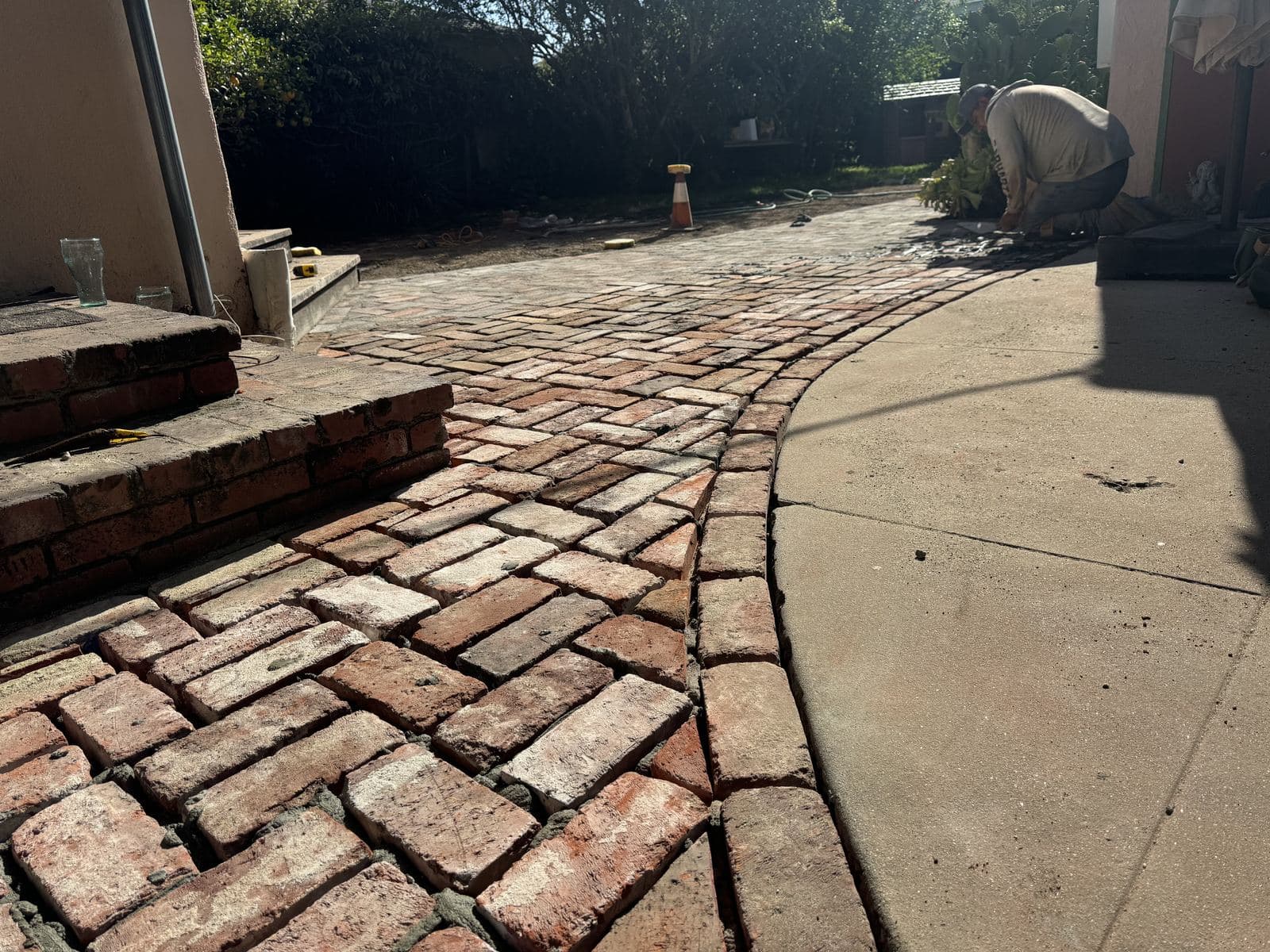
Interlocking pavers offer design flexibility, easy repair (individual pavers can be replaced), and a range of styles from modern to Mediterranean. They're more expensive than concrete but many homeowners prefer the look and versatility.
Natural Stone
Travertine, flagstone, and other natural stones create elegant pool surrounds. Stone stays relatively cool underfoot and handles water well. Costs vary widely based on the stone selected.
Cool Deck Options
Traditional pool decks can get dangerously hot in Southern California summers. Cool deck coatings, light-colored pavers, and certain stones naturally stay cooler. For existing decks, specialized coatings can reduce surface temperatures significantly.
Buildda Tip
: When choosing deck materials, consider comfort first. The most beautiful deck won't get used if it's too hot to walk on barefoot in July.
3. Adding Features: Water Features, LED Lighting, and Heating
Modern pool features can transform a basic pool into a resort-style retreat.
Water Features
Waterfalls, grottos, and rock features add natural beauty. Deck jets shoot arcs of water from the deck into the pool. Bubblers create fountains in shallow areas -great for kids and for visual interest. Sheer descents create smooth sheets of water falling from raised walls.
LED Lighting
Modern LED pool lights are a dramatic upgrade from old incandescent fixtures. Color-changing options let you set the mood. Multiple small lights often look better than one large fixture. Smart controls allow remote operation and programming. The energy savings from LED also reduce operating costs.
Heating Systems
Gas heaters warm pools quickly but cost more to operate. Heat pumps are more efficient for regular use but heat more slowly. Solar heating is economical where sufficient sun exposure exists. Hybrid approaches work for different seasons and uses.
Automation
Modern pool automation systems control pumps, heaters, lights, and water features from your phone. They optimize chemical dosing, run equipment during off-peak electricity hours, and make pool ownership more convenient.
4. Energy-Efficient Equipment Upgrades
Pool equipment has advanced significantly, and upgrading old components can provide significant energy savings over time.
Variable Speed Pumps
These can reduce pumping costs by 70-80% compared to single-speed pumps. *Actual savings vary based on pool size, usage, and local energy rates. California law now requires variable speed pumps for new installations and most replacements. The motor adjusts speed based on the task -high speed for vacuuming, low speed for daily circulation.
High-Efficiency Heaters
Modern gas heaters are significantly more efficient than older models. If your heater is more than 10 years old, replacement often makes economic sense.
Salt Chlorine Generators
These produce chlorine from salt dissolved in the pool water, eliminating the need to buy and handle chlorine. Water feels softer, and many pool owners prefer the swimming experience. The upfront cost is offset by reduced chemical purchases.
Robotic Cleaners
Modern robotic pool cleaners operate independently from the pool pump, cleaning floors and walls without adding load to your circulation system. They're more efficient than pressure-side or suction-side cleaners.
5. Timeline and What to Expect
Pool remodeling projects vary in scope, but understanding the typical timeline helps with planning.
Minor Upgrades
Changing lights, adding simple automation, or deck coating can often be done in a few days with minimal pool downtime.
Resurfacing Only
Expect about 1-2 weeks of construction. The pool is drained, old surface is removed, new surface is applied, and the pool is refilled. Startup chemistry takes additional time before swimming.
Comprehensive Remodel
A full remodel -new surface, deck work, equipment upgrades, and features -might take 4-8 weeks depending on complexity. Weather, permit timing, and material availability all affect schedules.
Living With Construction
Pool remodels are messy. Expect dust, noise, and workers on your property. Plan accordingly -maybe it's not the best time for outdoor entertaining.
Buildda Tip
: Schedule pool remodels for late winter or early spring. You'll be ready to enjoy the pool when warm weather arrives.
6. Permits and Regulations in California
Pool modifications often require permits, and Southern California has specific regulations to understand.
What Typically Requires Permits
Equipment changes beyond like-for-like replacement, adding water or fire features, structural modifications, electrical work, and gas line work all usually require permits. Simple resurfacing may not require a permit in some jurisdictions, but check with your local building department.
Barrier Requirements
California has specific pool barrier requirements. If you're doing significant work, you may need to bring barriers (fencing, gates, door alarms) up to current code.
Electrical Upgrades
Pool electrical work must meet specific codes for underwater lighting, bonding, and GFCI protection. Older pools often need electrical upgrades to meet current standards.
Water Features
Features that recirculate water may have specific health department requirements. Gas-fired features need permits and inspections.
7. The Buildda Approach
Pool remodeling is a specialized trade requiring specific expertise. At Buildda, we connect homeowners with experienced pool professionals who handle everything from straightforward resurfacing to complete backyard transformations.
Our network includes licensed pool contractors who understand the unique requirements of Southern California pools -from dealing with hard water to choosing finishes that look great under our intense sun. We help you navigate the options, understand the timeline, and connect with craftsmen who take pride in their work.
Your pool should be an asset you enjoy, not a source of frustration. Whether it needs a simple refresh or a complete transformation, Buildda can help you find the right professional to make it happen.
Local Tip: Pool Remodeling in Culver City
Pool remodeling in Culver City requires a building permit through the Building Safety Division. Resurfacing alone may qualify for a simplified permit, but adding water features, electrical, or changing the pool footprint requires full plan review. The Hayden Tract and Arts District areas have seen increased pool renovation as property values rise.
Local Tip: Pool Projects Near the Coast
In Santa Monica, pool projects within the Coastal Zone may need Coastal Commission review. Salt air accelerates pool equipment corrosion. Upgrade to salt-resistant pumps and heaters if your home is within a mile of the ocean.
Get Pool Remodel in Your Area
Professional contractors serving the Greater Los Angeles area
Popular service areas:
Also explore related services: