


Stamped Concrete Patterns & Design Ideas

What Is Stamped Concrete?
Stamped concrete -also called textured or imprinted concrete -is regular concrete that's been patterned and colored to resemble other materials like stone, brick, tile, or even wood. While the concrete is still wet, large rubber stamps are pressed into the surface to create texture and pattern. Combined with integral color or surface-applied color hardeners, stamped concrete can convincingly mimic much more expensive materials.
The technique has been around for decades, but modern stamping mats, coloring systems, and application techniques have dramatically improved results. Today's stamped concrete can look remarkably like natural stone at a fraction of the cost.
1. Popular Patterns
Stamped concrete patterns fall into several categories.
Natural Stone Patterns
Ashlar slate creates a look of cut flagstone with rectangular pieces of varying sizes. Random stone mimics fieldstone or natural rock. Flagstone patterns replicate the irregular shapes of quarried stone.
Brick Patterns
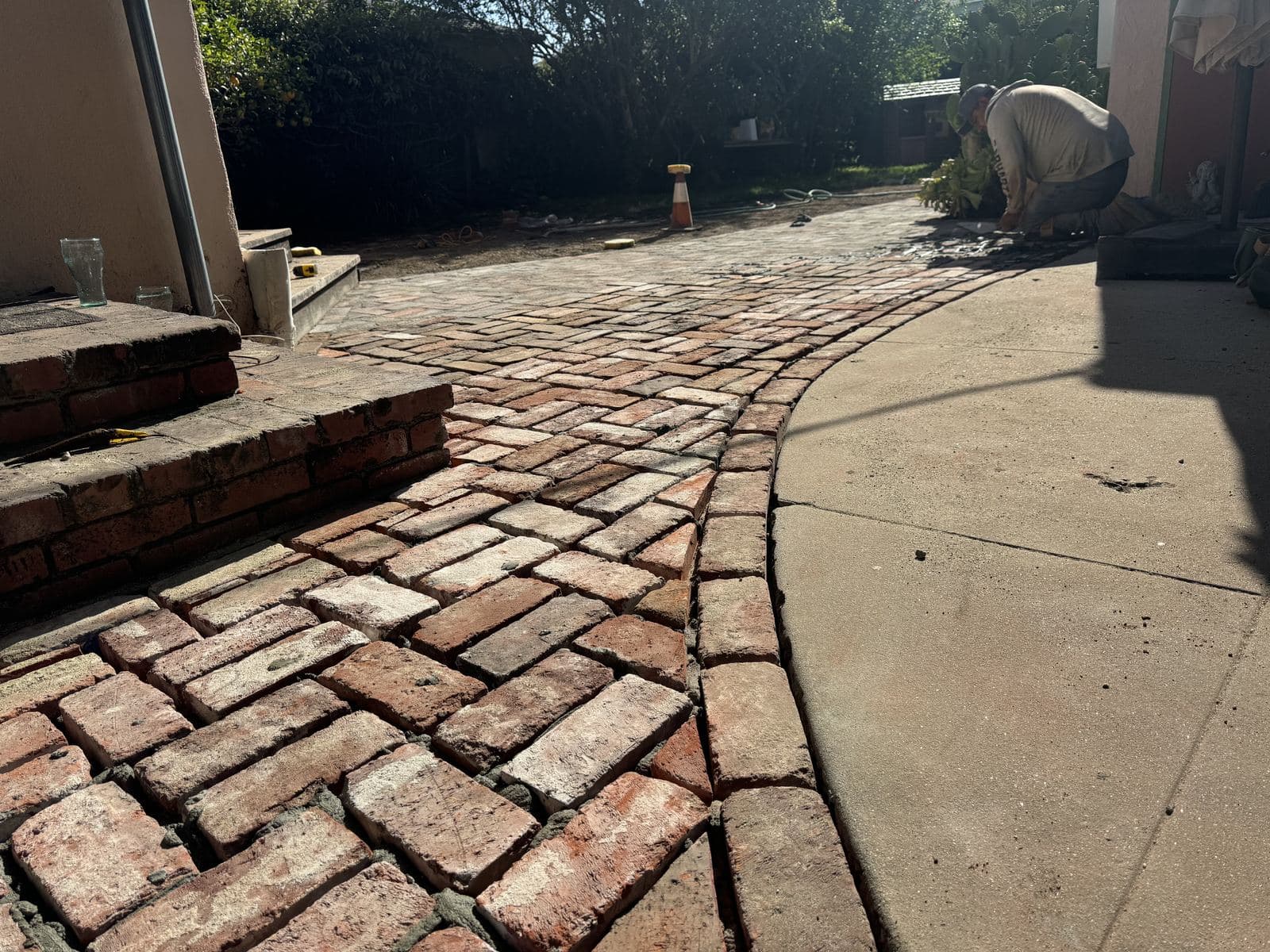
Running bond, herringbone, and basketweave patterns recreate classic brick looks. These work well for driveways and walkways where traditional brick aesthetics are desired.
Tile Patterns
Large-format tile patterns suit modern architecture. Smaller tile patterns can replicate European-style pavers or Mediterranean tiles.
Cobblestone Patterns
Fan cobbles, running cobble, and other cobblestone patterns provide old-world charm. These work particularly well for driveways and courtyards.
Wood Plank Patterns
Surprisingly realistic wood grain textures mimic deck boards or rustic wood floors. These create unique patios that look like wood but last much longer outdoors.
Custom Patterns
Skilled contractors can combine patterns, create borders with different designs, or even work with custom-made stamps for unique looks.
Buildda Tip
: Before choosing a pattern, look at installed examples in person if possible. Patterns that look great in small samples may appear different over a large area. Ask your contractor for photos of previous projects with your chosen pattern.
2. Color Options and Staining
Color is half the equation in stamped concrete.
Integral Color
Pigment mixed throughout the concrete creates consistent color. This is the base color that shows on the main surfaces and if the concrete chips.
Color Hardener
Powder broadcast onto the wet concrete surface provides color and strengthens the surface layer. It can create more varied, natural-looking color than integral color alone.
Release Agent
Applied before stamping, release agents prevent stamps from sticking. They're available in colors that contrast with or complement the base color, creating depth in the texture -highlighting high points and shading low areas.
Staining (New or Existing)
Acid stains or water-based stains can color existing concrete or enhance new stamped surfaces. Staining creates mottled, variegated effects that some find more natural than solid colors.
Antiquing
Additional color applied after stamping and before sealing creates an aged, weathered appearance. This technique adds depth and realism, particularly for stone patterns.
Color Combinations
The most realistic results often use multiple colors. A tan base with brown release agent and selective stain accents, for example, can closely replicate natural sandstone.
3. Where to Use Stamped Concrete
Stamped concrete works in many applications.
Patios
The most common use. A stamped patio creates defined outdoor living space with the look of stone or tile. It's typically the most economical way to achieve a high-end patio aesthetic.
Pool Decks
Properly finished stamped concrete is slip-resistant and comfortable underfoot. It handles pool chemicals well and can mimic expensive pool deck stones.
Driveways
Stamped driveways make a strong first impression. The concrete handles vehicle weight; the stamping adds visual interest that plain concrete lacks.
Walkways
Connect different areas of your property with stamped paths. Coordinate with or complement your patio pattern for a cohesive look.
Entryways
First impressions matter. A stamped entry area welcomes visitors before they even reach your door.
Indoor Applications
With proper sealing, stamped concrete works for interior floors in appropriate settings -basements, sunrooms, or modern industrial spaces.
4. Stamped Concrete vs. Pavers: Pros and Cons
Both stamped concrete and pavers create attractive hardscape. Here's how they compare.
Stamped Concrete Advantages
Generally less expensive than quality pavers. Seamless surface without joints that can shift or grow weeds. Faster installation for large areas. Endless pattern and color options.
Stamped Concrete Disadvantages
Cracking is possible, though control joints minimize this. Repairs can be challenging -matching color and pattern in patches is difficult. Periodic sealing is required for appearance and protection.
Paver Advantages
Individual units can be replaced if damaged. No cracking like monolithic concrete. Some find the authentic material more appealing than imitation.
Paver Disadvantages
Higher initial cost for quality pavers. Joint sand needs occasional replenishment. Potential for shifting and weed growth between joints without proper installation and maintenance.
The Right Choice
It depends on your priorities. If budget is primary and you want a specific look, stamped concrete may be ideal. If you prioritize repairability and authentic materials, pavers might be better.
5. Sealing and Maintenance
Stamped concrete requires more maintenance than plain concrete to keep looking its best.
Initial Sealing
After curing (typically 3-4 weeks), stamped concrete should be sealed with a quality acrylic sealer. This protects the color, enhances appearance, and provides wear resistance.
Resealing Schedule
Depending on traffic and sun exposure, expect to reseal every 2-4 years. High-traffic areas and pool decks may need more frequent attention.
Cleaning
Regular sweeping removes debris that can abrade the surface. Periodic washing with a hose or pressure washer removes built-up dirt. Avoid harsh chemicals that can damage the sealer.
Stain Management
Treat oil stains, leaf stains, and other discoloration promptly. Some stains can become permanent if left.
Crack Repair
Despite control joints, cracks can develop. Small cracks can be filled with color-matched caulk. Larger cracks may require more extensive repair.
Color Touch-Up
Faded areas can sometimes be restored with additional stain application before resealing.
Buildda Tip
: Keep a record of your concrete's color and pattern, as well as the sealer used. This information is invaluable if repairs or touch-ups are ever needed.
6. Cost Considerations
Stamped concrete costs more than plain concrete but typically less than equivalent natural materials.
Installation Costs
Expect to pay $12-25 per square foot for professionally installed stamped concrete, depending on pattern complexity, color scheme, and site conditions. Simple patterns with basic color are at the lower end; intricate patterns with multiple colors cost more.
Comparison to Alternatives
Plain brushed concrete runs $8-12 per square foot. Natural flagstone or high-end pavers can cost $25-50 per square foot or more installed.
Long-Term Costs
Factor in resealing costs every few years. While not expensive per application, it's an ongoing commitment.
7. The Buildda Touch
At Buildda, we connect homeowners with concrete contractors who specialize in decorative finishes. Stamped concrete is an art as much as a trade -the difference between excellent and mediocre results comes down to experience and attention to detail.
Our network includes professionals who understand color theory, have extensive pattern libraries, and know how to execute with precision. They'll help you choose combinations that complement your home and guide you through the process from design to completion.
Whether you're creating a new patio, refreshing a driveway, or adding a pool deck, Buildda can help you find craftsmen who deliver stamped concrete that looks like the expensive materials it imitates.
Beautiful hardscape doesn't have to break the bank. Let us help you explore what's possible with stamped concrete.
Local Tip: Stamped Concrete in Culver City
Culver City's warm climate is ideal for stamped concrete installation since the material needs consistent temperatures to cure properly. Popular patterns in our area include Ashlar Slate (complements mid-century homes) and random stone (works with Spanish Colonial). For driveways, LADBS may require a permit if you are expanding the concrete footprint.
Local Tip: Stamped Concrete Near the Coast
In Santa Monica and Venice, the salt air does not directly affect cured concrete, but the expansion and contraction from temperature swings near the coast can stress stamped patterns. Use control joints every 8-10 feet and a quality penetrating sealer reapplied every 2-3 years.
Get Stamped Concrete in Your Area
Professional contractors serving the Greater Los Angeles area
Popular service areas:
Also explore related services:

