


Exterior Home Project Costs: Culver City 2026

On this page
- 1. Exterior Painting
- 2. Roofing
- 3. Pavers and Driveways
- 4. Fencing
- 5. Stucco Repair and Replacement
- 6. Backyard Remodel
- 7. Windows and Doors
- 8. Gutter Installation
- 9. Permit Costs in Culver City
- 10. How to Get Accurate Estimates
- Frequently Asked Questions
- 11. What Drives Cost Variation Within Culver City
- 12. Sequencing Multiple Projects to Save Money
- 13. Financing Options for Culver City Homeowners
- Local Tip: Getting Accurate Estimates in Culver City
If you own a home in Culver City, you know exterior projects are an investment worth getting right. This guide provides real 2026 pricing for the most common exterior improvements, specific to our area. Costs reflect Culver City labor rates, material availability, and permit requirements.
1. Exterior Painting
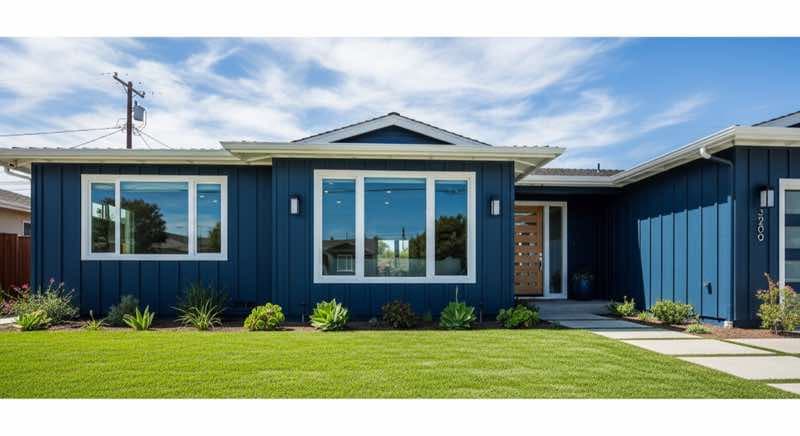
Culver City homes range from 1,200 to 3,000+ square feet of exterior surface. Most are stucco, which requires specific paint types.
Costs:
Single-story (1,200-1,800 sqft): $3,500-6,000
Two-story (2,000-2,500 sqft): $5,000-9,000
Large home (3,000+ sqft): $8,000-15,000
Elastomeric paint (stucco-specific): add 20-30% to standard pricing
Front door repaint: $300-600
Timeline: 3-7 days. No permit needed for cosmetic painting.
2. Roofing
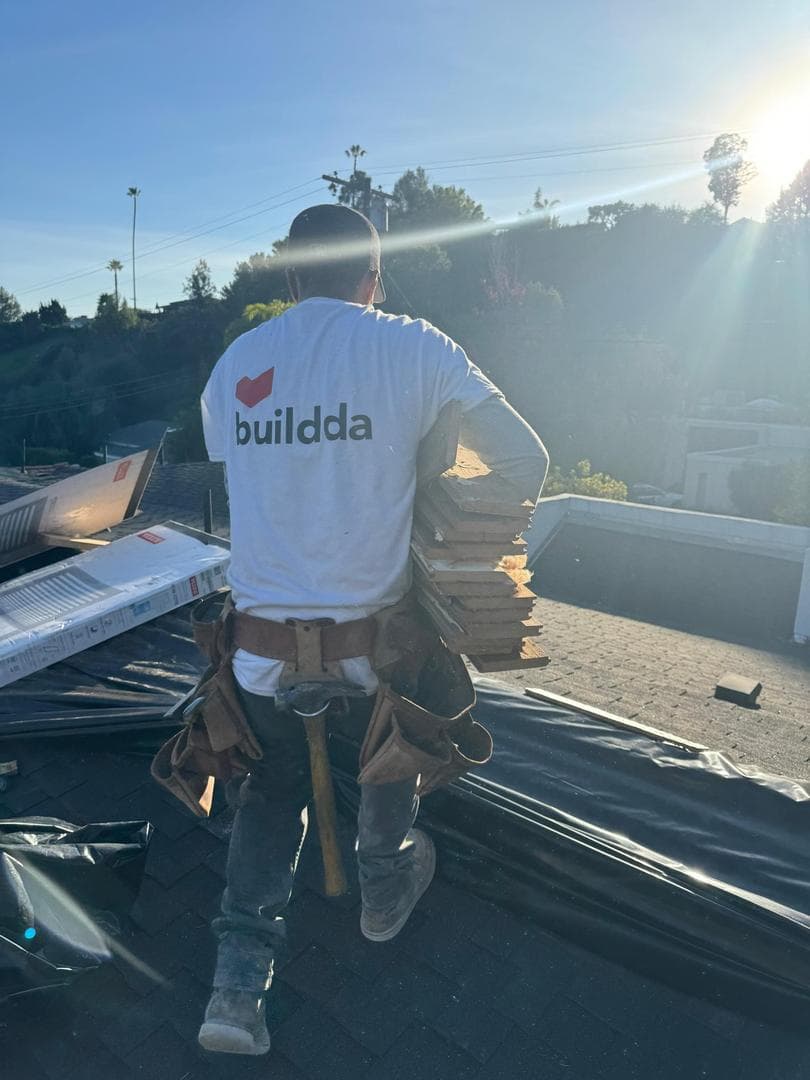
Most Culver City homes have asphalt shingle or tile roofs from original construction (1940s-1960s era).
Costs:
Asphalt shingle (standard): $8,000-15,000
Asphalt shingle (architectural/dimensional): $10,000-20,000
Concrete tile: $15,000-30,000
Standing seam metal: $20,000-40,000
Flat roof (modified bitumen): $5,000-12,000
Timeline: 3-7 days for most residential roofs. Permit required through Culver City Building Safety Division.
3. Pavers and Driveways
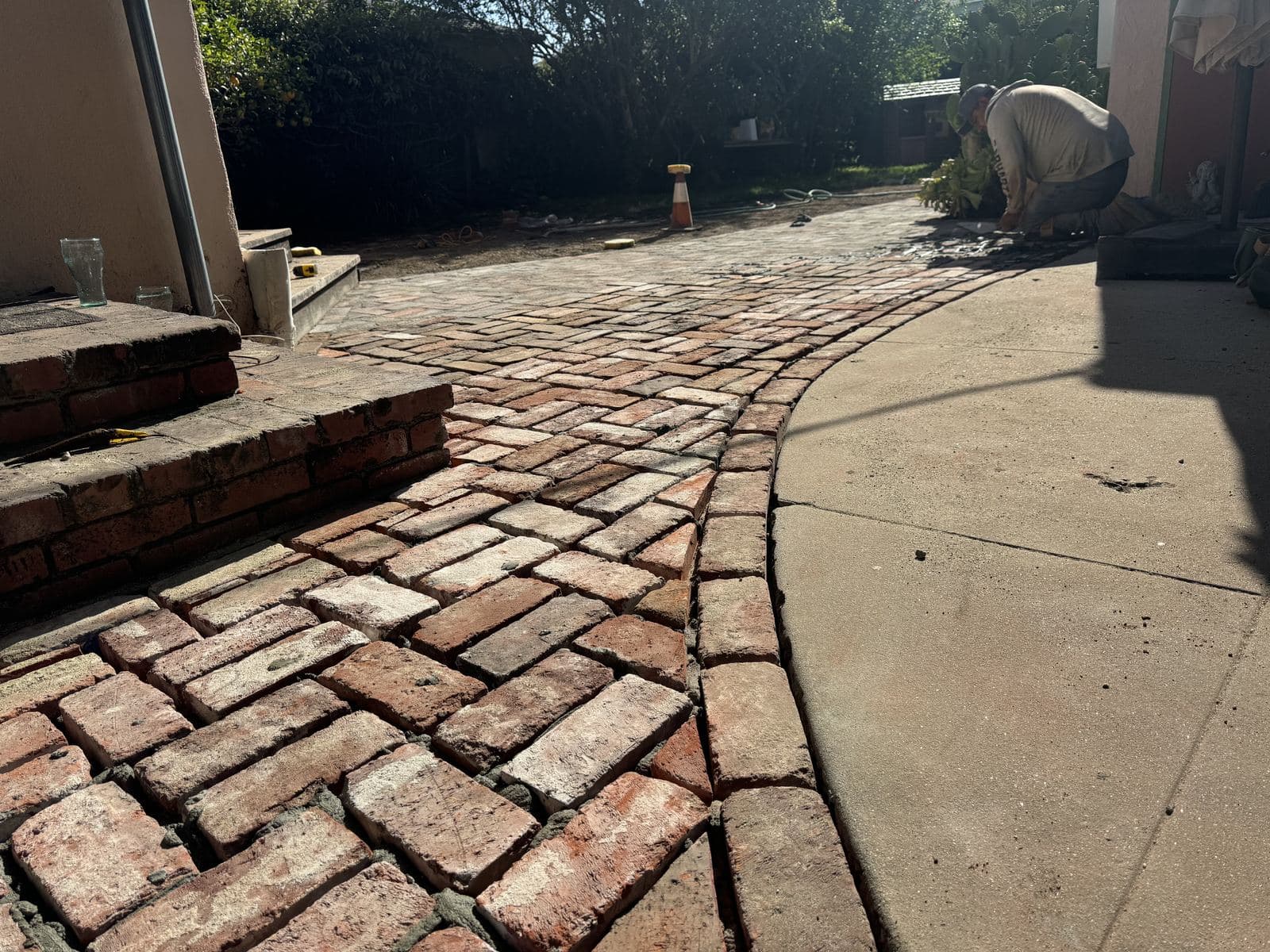
Many Culver City driveways are original concrete from the 1950s-1960s showing cracks and settling.
Costs:
Concrete driveway replacement: $6-12 per square foot ($3,600-7,200 for a 600 sqft driveway)
Paver driveway: $12-25 per square foot ($7,200-15,000)
Stamped concrete driveway: $12-20 per square foot
Paver patio: $12-25 per square foot
Concrete patio: $6-20 per square foot depending on finish
Timeline: 3-7 days for driveway, 2-5 days for patio.
4. Fencing
Culver City allows 6-foot fences in rear and side yards, 42 inches in front.
Costs:
Wood fence (per linear foot): $25-45
Vinyl fence (per linear foot): $30-55
Wrought iron (per linear foot): $40-75
Chain link (per linear foot): $15-25
Typical backyard (150 linear feet): $3,750-8,250
Timeline: 2-5 days. No permit for standard height fences.
5. Stucco Repair and Replacement
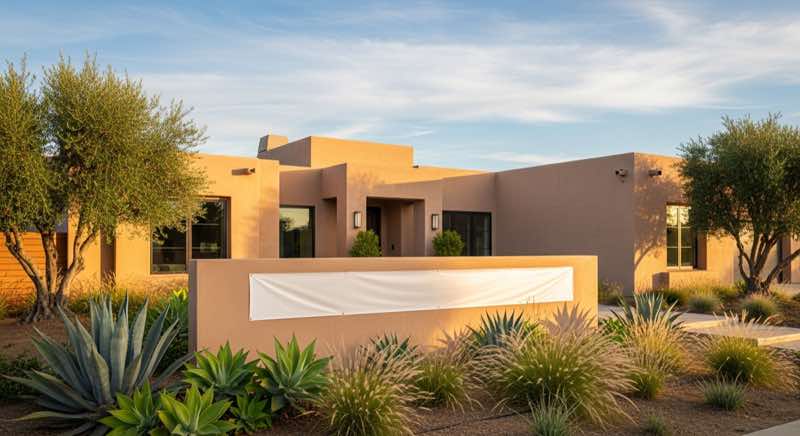
Stucco is the dominant exterior finish in Culver City. Homes from the 1940s-1960s often need attention.
Costs:
Small patch repair (under 50 sqft): $300-800
Medium repair (50-200 sqft): $1,000-3,000
Large repair (200+ sqft): $3,000-8,000
Full re-stucco: $8-12 per square foot
Color coat refresh: $3-5 per square foot
Timeline: 1-5 days for repairs, 2-4 weeks for full re-stucco.
6. Backyard Remodel
Culver City's flat lots make backyard projects more straightforward than hillside communities.
Costs:
Budget remodel (patio + landscaping): $5,000-15,000
Mid-range (patio + pergola + fire pit + lighting): $15,000-40,000
High-end (outdoor kitchen + cover + landscaping): $40,000-80,000
Artificial turf (per sqft): $8-14
Landscape lighting system: $2,000-5,000
Timeline: 2-12 weeks depending on scope. Permits required for structures, gas, electrical.
7. Windows and Doors
Energy-efficient replacements qualify for Title 24 compliance and may reduce energy bills.
Costs:
Vinyl window (per window, installed): $400-800
Fiberglass window (per window): $600-1,200
Entry door (fiberglass): $1,500-4,000
Sliding glass door: $2,000-5,000
Whole-house window replacement (10-15 windows): $5,000-12,000
Timeline: 1-3 days for most window jobs. Permit required for size changes.
8. Gutter Installation
Many Culver City homes lack gutters or have deteriorated systems.
Costs:
Seamless aluminum gutters: $8-15 per linear foot installed
Copper gutters: $25-40 per linear foot
Gutter guards: $7-12 per linear foot
Typical home (150-200 linear feet): $1,200-3,000
Timeline: 1 day for most homes. No permit typically needed.
9. Permit Costs in Culver City
Building Safety Division fees:
Plan check: $200-800 depending on project value
Building permit: varies by project valuation
Typical roofing permit: $300-500
Typical patio cover permit: $400-800
Processing time: 2-3 weeks for standard residential
10. How to Get Accurate Estimates
Get 3 Written Bids
Each should specify: materials by brand name, labor costs separately, permit fees included or excluded, timeline, payment schedule, and warranty terms.
Verify Credentials
CSLB license verification at cslb.ca.gov. Ask for Culver City references specifically. Check insurance certificates.
Watch for Red Flags
More than $1,000 or 10% deposit requested (CA law violation). No written contract. Pressure to sign immediately. Cannot provide license number.
Frequently Asked Questions
Are Culver City home improvement costs higher than other LA areas?
Culver City costs are comparable to nearby Westside neighborhoods like Mar Vista and Palms. They are lower than Beverly Hills and Santa Monica but higher than inland areas like Inglewood or Hawthorne. The difference is primarily in labor rates and permit fees.
When is the best time for exterior projects?
Year-round in Southern California. Fall and winter offer shorter contractor wait times and sometimes lower pricing due to reduced demand. Avoid scheduling exterior painting during the rare rainy weeks.
Do I need a general contractor or can I hire specialists directly?
For single-trade projects (just painting, just roofing), hiring a specialist is fine. For multi-trade projects (backyard remodel with concrete, gas, electrical, and landscaping), a general contractor coordinates everything and is usually more efficient.
11. What Drives Cost Variation Within Culver City
Two homes a few blocks apart can quote 30 percent differently for the same project. Five factors explain most of the variance.
Home age. 1940s-1960s homes carry hidden conditions. Wood substrate behind 50-year-old stucco is often dry-rotted, knob-and-tube wiring still hides in some attics, and clay drain pipes may need replacement during exterior work. Newer homes (post-1990) carry less surprise risk and quote tighter.
Slope and access. Flat lots in Carlson Park and McManus quote close to baseline. Hillside lots in Blair Hills and Culver Crest add 15-25 percent for safety scaffolding, longer material carries, and slower equipment access. If a truck cannot park within 50 feet of the work area, plan for added labor.
Historic overlay. Some Carlson Park properties sit in historic preservation zones with stricter design review. Paint colors, window styles, and roof materials may need approval before permits are issued. This adds 4-8 weeks to timelines and can constrain material choices.
Existing damage. Hairline stucco cracks repaint normally. Bulging stucco signals moisture infiltration that could include rot or termite damage in the substrate. Roof tear-offs occasionally reveal damaged sheathing that requires plywood replacement. Both add line items mid-project.
Material grade. The cost ranges in this guide reflect mid-range materials. Premium materials (Owens Corning Duration shingles vs basic 3-tab, Sherwin-Williams Emerald paint vs standard exterior latex) push the high end of each range. Decide on material grade upfront so the bid reflects the actual scope.
12. Sequencing Multiple Projects to Save Money
Bundling exterior projects in the right order reduces total cost by 15-25 percent.
Roof first. A new roof comes before painting or fascia work because roofing crews disturb the eaves and trim. Painting before a new roof guarantees touch-ups within months.
Stucco repair before painting. Patch and texture-match before color goes on. Repairing after the paint job leaves visible patches that require another paint coat.
Hardscape before landscaping. Pavers, walkways, and retaining walls disturb soil and damage plants. Install hardscape first, irrigate the lines, then plant.
Windows before painting. Old window trim gets removed during replacement. Painting after install seals the new window flange and avoids paint damage to new frames.
Gutters last. New gutters mount to fascia. If fascia is being painted or replaced, gutters install after the fascia work is complete.
A general contractor scheduling all phases together typically saves the homeowner 10-20 percent in mobilization, scaffold rental, and disposal costs versus hiring each trade separately months apart.
13. Financing Options for Culver City Homeowners
Most exterior projects fall in the $5,000-50,000 range, large enough that financing matters.
Cash and home equity. Cash gives the strongest negotiating position with contractors and avoids interest entirely. Home equity lines of credit (HELOCs) are common for projects above $20,000, with current rates typically running prime plus 0-2 percent. The interest may be tax-deductible when the funds are used for substantial home improvements (consult your tax advisor).
Contractor financing. Many contractors offer payment plans through third-party lenders. Convenience comes at a cost: rates typically run 8-15 percent for unsecured plans and may include hidden fees. Read the contract carefully before signing.
PACE financing. Property Assessed Clean Energy financing is available in California for energy-efficient improvements like cool roofs, solar, and energy-efficient windows. Repayment happens through your property tax bill. Pros: no credit check, long terms. Cons: senior lien position can complicate refinancing or selling.
Manufacturer rebates. LADWP, SoCalGas, and major manufacturers offer rebates for qualifying energy-efficient upgrades. A new cool roof, energy-efficient windows, or solar installation often qualifies for $500-3,000+ in combined rebates. Apply within the eligibility windows (usually 30-90 days post-installation).
Always reconcile financing terms against the project total. A "low monthly payment" loan over 10 years may cost more in total interest than the project itself. Compare APR (not monthly payment) across all options.
Local Tip: Getting Accurate Estimates in Culver City
Material costs in the LA area fluctuate seasonally. Request estimates that include specific product names and quantities, not just labor rates. Culver City contractors should include permit fees in their estimates. Compare at least three bids, and verify each contractor's CSLB license before signing.
Roofing work in your area
Professional contractors serving the Greater Los Angeles area
Popular service areas:
Also explore related services:
Related Project Videos

Velux Skylight Installation
Roofing in Brentwood, CA

Roof Restoration: Clearing & Prep
Roofing in Los Angeles, CA

Velux Skylight Installation Progress
Roofing in Brentwood, CA
Related articles

Culver City Exterior Remodeling: Sunkist Park Guide
Culver City exterior remodeling guide anchored in a real Sunkist Park project: termite-damaged fascia, second-story stucco crack, full repaint with Sherwin-Williams Emerald. Plus neighborhood-by-neighborhood styles, permits, and local considerations from Blair Hills to Fox Hills.

Exterior Painting Guide: Costs & Process
Complete exterior painting guide for Southern California homes. Compare paint types, learn prep requirements, understand costs ($2-6/sqft), and know when to DIY vs hire a pro.
Curb Appeal: 10 Upgrades + Two Real Project Examples
10 curb appeal upgrades with real costs for Southern California homes plus two Buildda case studies (Sunkist Park trim repaint, Carlson Park brick walkway). $100 quick wins to $15K+ full makeovers. ROI, budget tiers, and permit info.