

Dry Rot and Termite Damage in Culver City: Fascia, Trim and Siding

On this page
Rot on a house rarely shows early. It starts under paint, behind siding or at the bottom of a board, and by the time you can see it, the wood is often soft all the way through. Two of our jobs show where it hides and what fixing it takes: a trim painting job in Culver City that turned into termite damage restoration, and a siding job in Palms where the rot was behind the old siding.
1. Where Rot and Termite Damage Hide
On our jobs, the damage was in these places:
2. Signs to Look For
On the Culver City job, the original wood trim had been breaking down behind layers of old paint. You do not see it until you start prepping.
Buildda Tip
Press any wood that looks wrong with a screwdriver. Sound wood resists. Rotted wood gives.
3. Rot or Termites: Who Does What
Rot comes from water: wood that stays wet breaks down. Termites eat wood. Dampwood termites infest decayed wood that stays moist, from contact with the soil or a water leak, according to UC IPM. Either way, the damaged wood has to come out.
When termites are active, a licensed pest control company inspects the house and treats them. In California, the Structural Pest Control Board licenses these companies, and UC IPM notes that an inspection by a licensed pest professional comes before any treatment. Once that is done, we replace the damaged wood and finish it.
4. What We Found on Two Jobs
The Culver City job
The homeowner in Sunkist Park called us about trim painting. During the first inspection, we found the job was much bigger. The fascia boards had severe termite damage, not on the surface but deep in the wood, hidden under paint for years. Multiple boards needed full replacement. We also found windows that needed sealing, and a major stucco crack along the second story that was a water intrusion risk. The homeowner had no idea about the termite damage or the stucco problem.
The Palms job
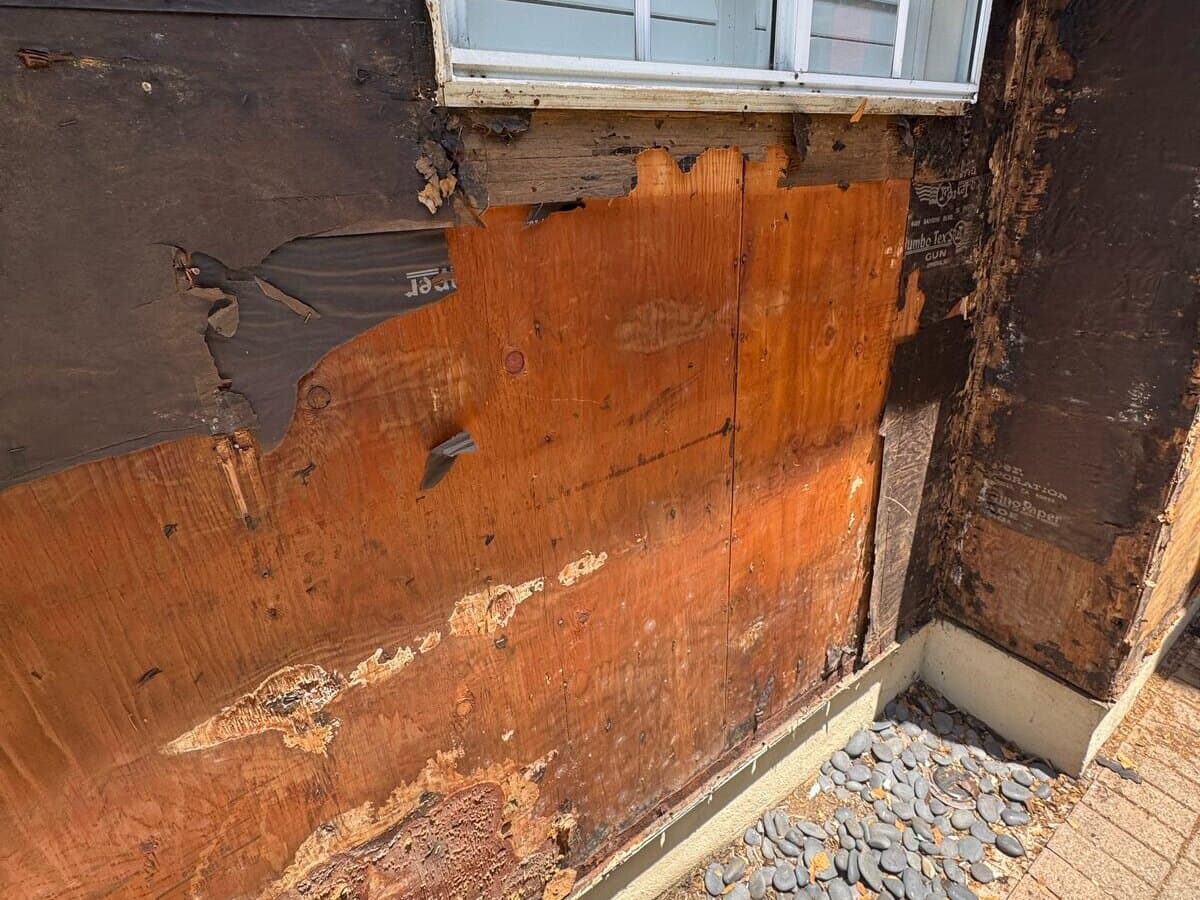
The plan was new siding, six new windows and paint. When the old siding came off, the sheathing behind it was rotted in places. The framing at the corners was damaged, and the window sills were rotted too. Damage like this usually stays hidden until the siding comes off.
5. How We Fixed It
Fascia and trim in Culver City
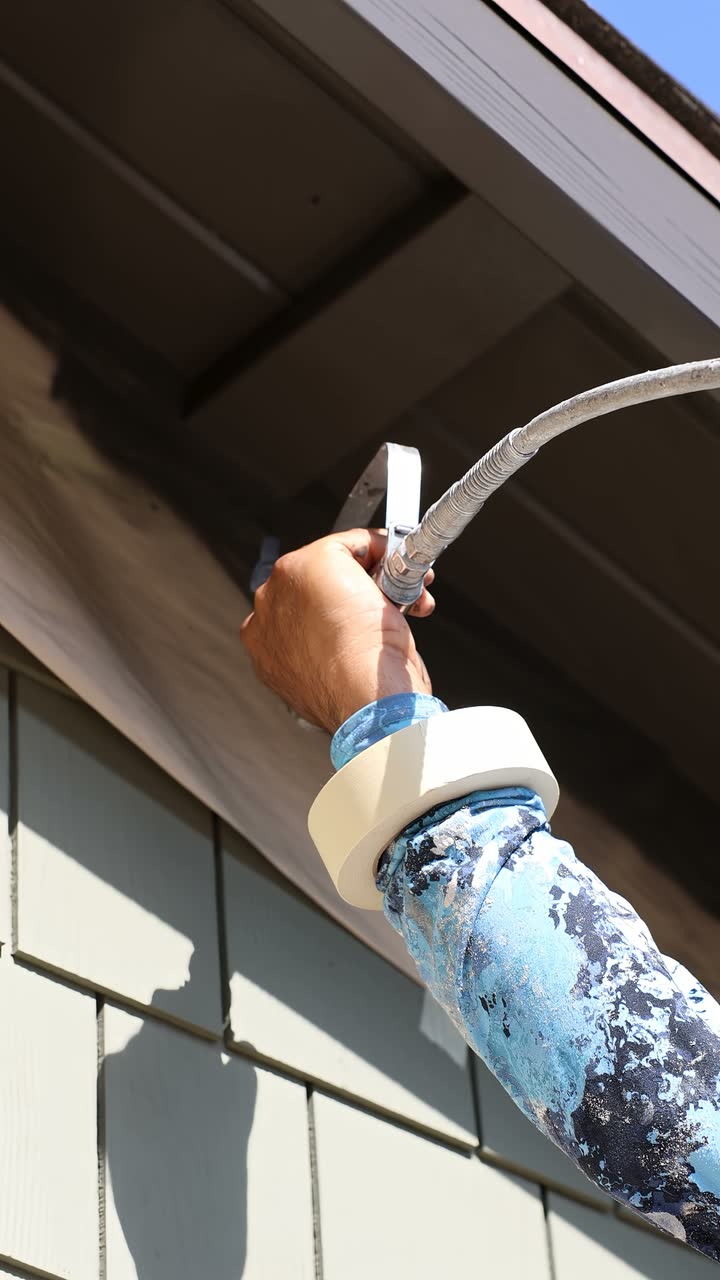
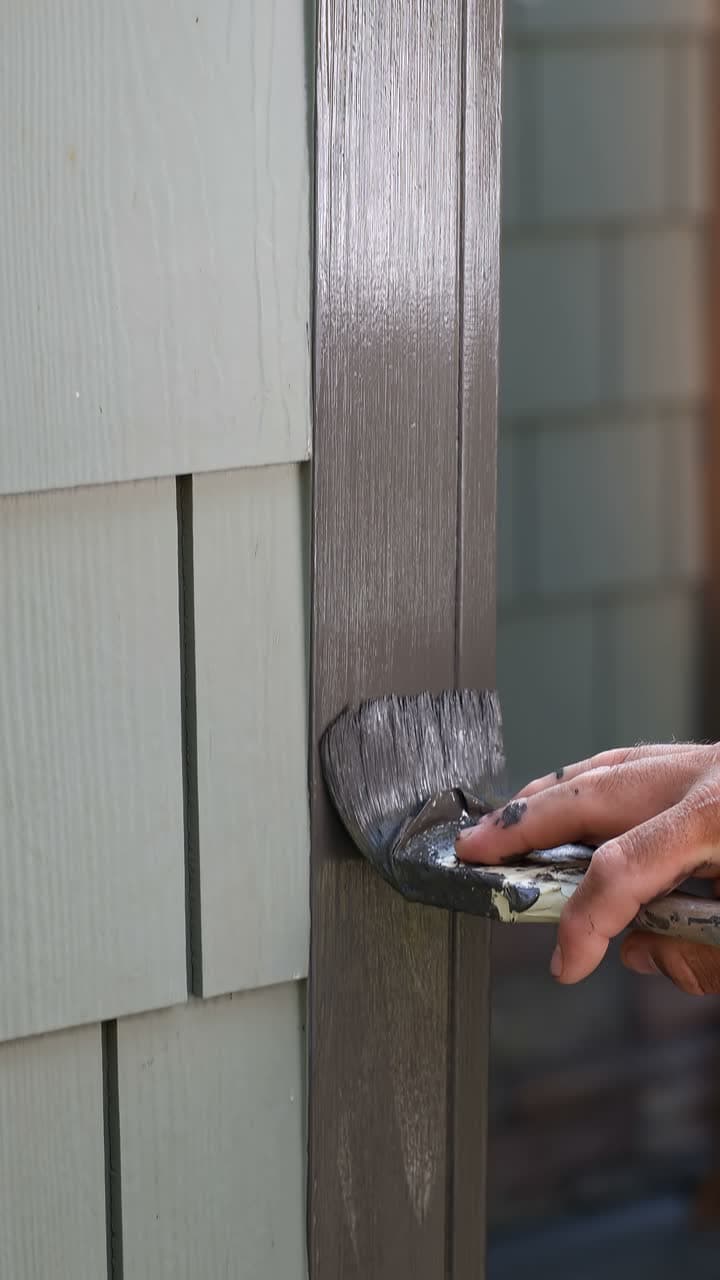
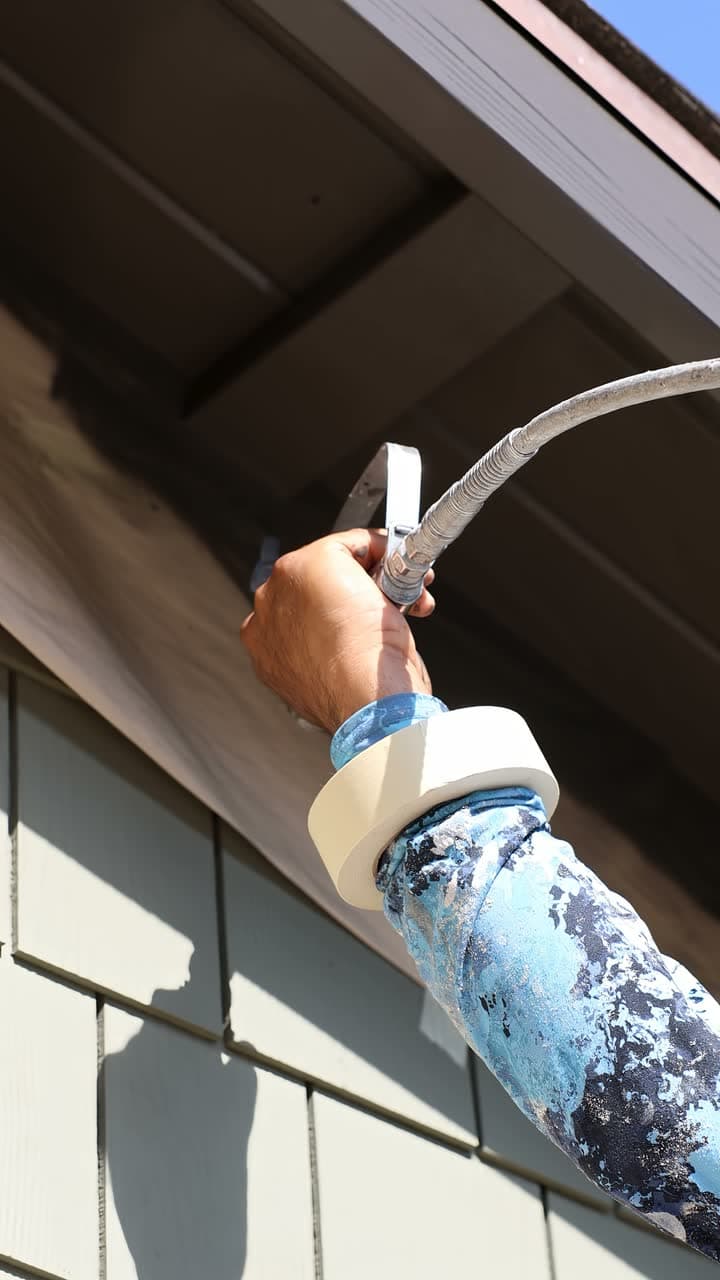
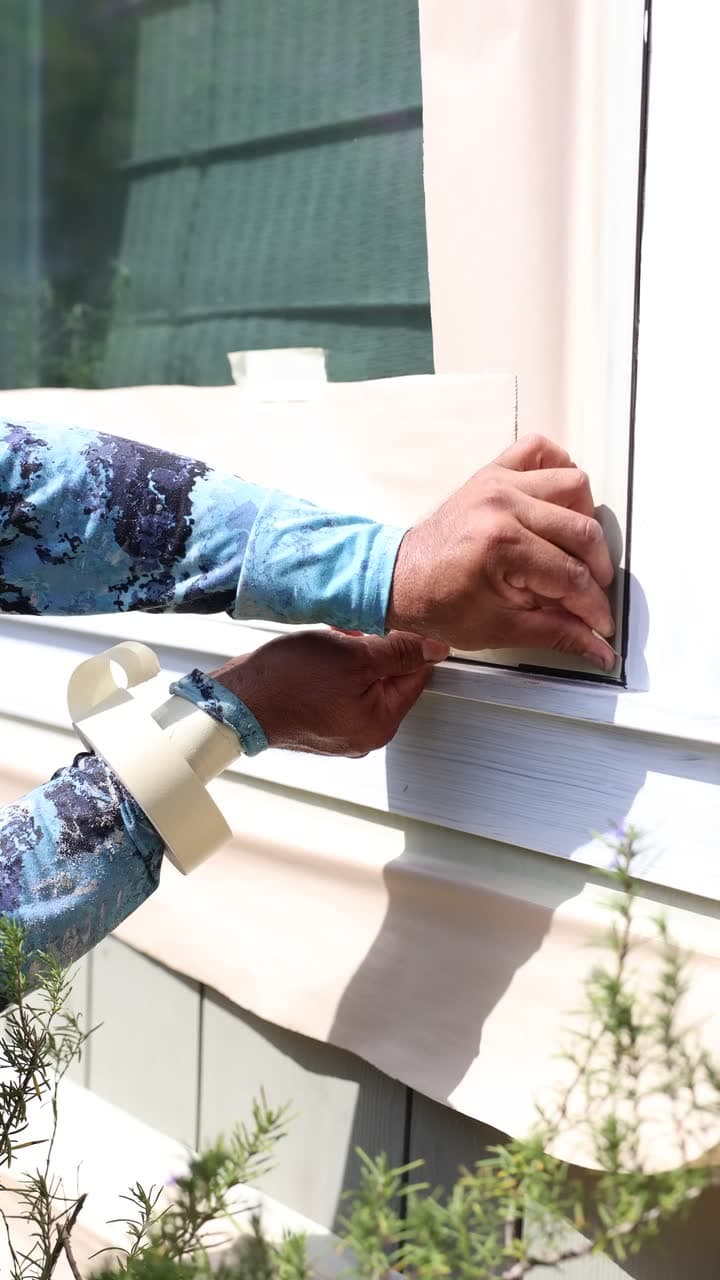
We replaced all the damaged fascia and trim boards with new wood, primed the new wood with Sherwin-Williams primer, and finished with two coats of Sherwin-Williams Emerald on all the trim and fascia. We also sealed the windows and repaired the second-story stucco crack with matching texture, so the repair blends with the original finish.

Behind the siding in Palms
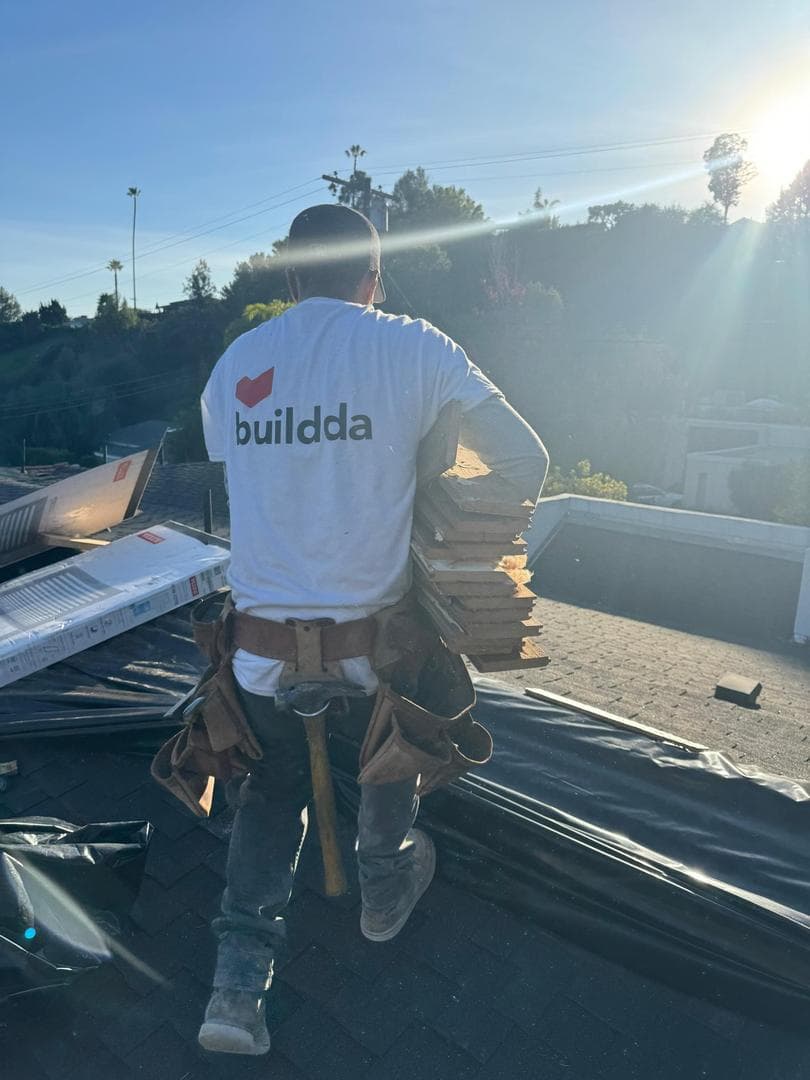
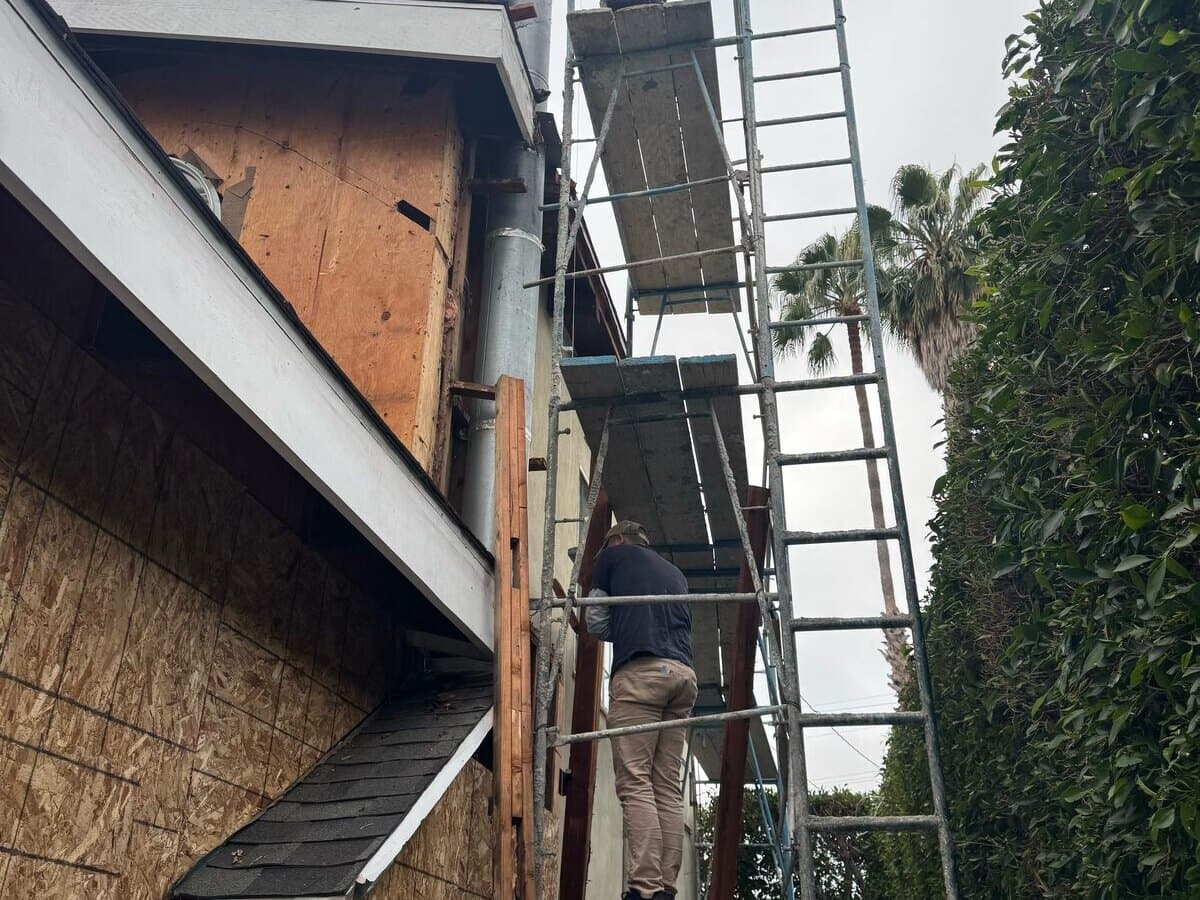
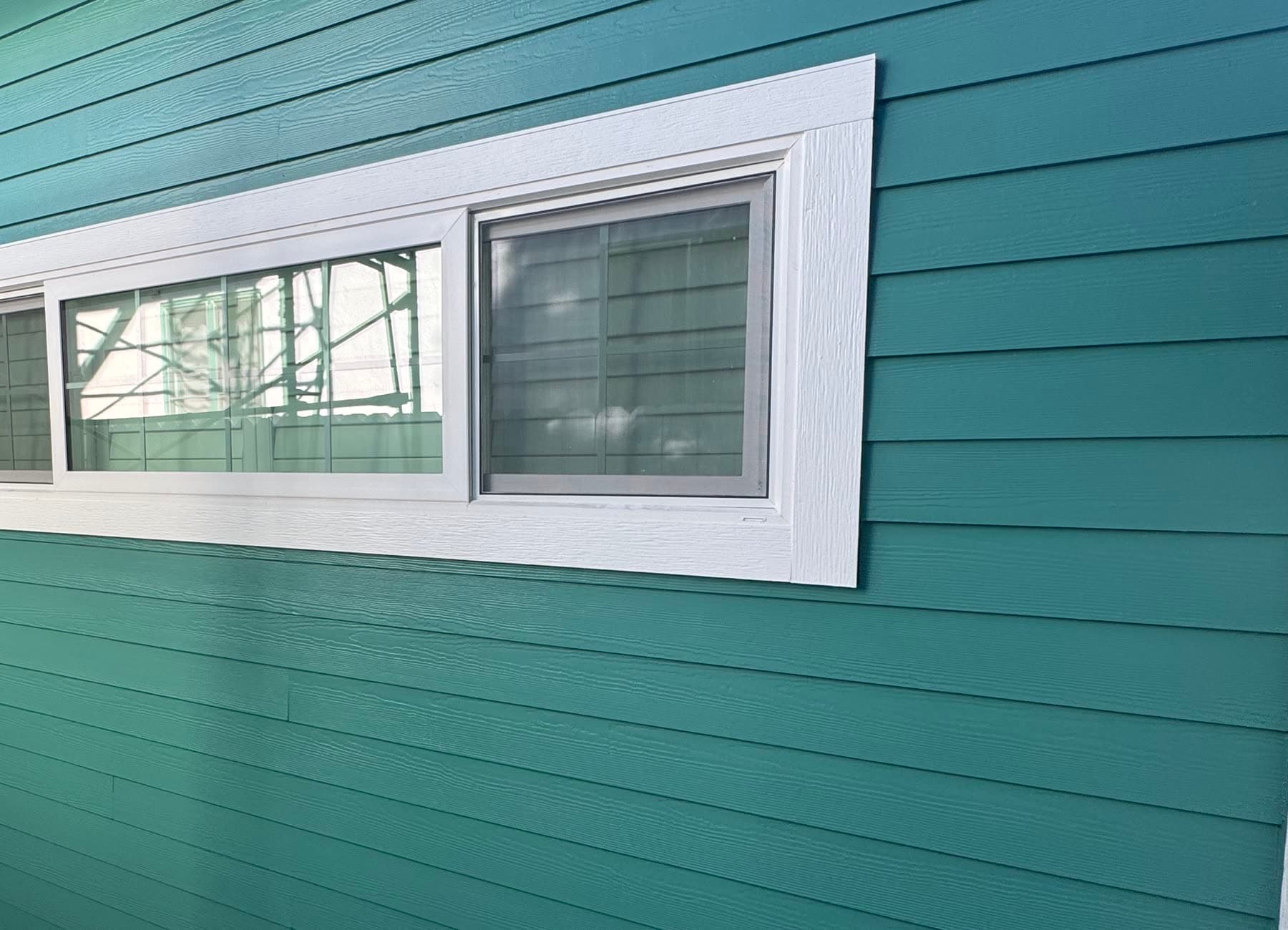
We replaced the rotted sheathing, the damaged corner framing and the rotted window sills. New siding needs a sound wall under it. The new sheathing was covered with a weather barrier before the new fiber-cement siding went on.
Buildda Tip
Paint over soft wood keeps failing, because the wood under it keeps breaking down. Replace the soft wood first, prime the new wood, then paint.
6. How Long It Takes
The Culver City job took about a week: the new fascia and trim, the stucco crack repair, sealing the windows and two coats of paint. The Palms job took about seven weeks, because it also replaced the siding on the front and both sides, put in six new windows and painted the whole house. How big the job gets depends on how far the damage goes, and you often learn that only once the old wood or the siding comes off.
7. When the Job Gets Bigger
Both jobs grew once the wood was open. When we find more damage, we show you what we found and agree on the added work in writing before we do it.
8. Frequently Asked Questions
Can I paint over dry rot?
Paint over soft wood keeps failing, because the wood under it keeps breaking down. On our Culver City job, the termite damage had been under paint for years. We replaced the damaged boards, primed the new wood and then painted.
Who treats termites?
A licensed pest control company inspects the house and treats active termites. In California, the Structural Pest Control Board licenses these companies. After the treatment, we replace the damaged wood and paint it.
How do I know how far the damage goes?
Press the wood with a screwdriver: sound wood resists, rotted wood gives. Damage behind siding usually stays hidden until the siding comes off. Text us a photo or a short description, and we will tell you what we see.
Do I need a permit to replace rotted wood?
It depends on the city and the work. The Palms job, which also replaced the siding and six windows, was permitted. Tell us what you see, and we check the city's rules for your job.
How long does a dry rot repair take?
On our jobs, about a week for new fascia and trim with a stucco crack repair and paint in Culver City, and about seven weeks for new siding, sheathing, six windows and paint in Palms.
Next Step
See soft or rotted wood on your house in Culver City or nearby? Text us a photo or a short description, or tell us about it on our quote request page.
Exterior painting work in your area
Professional contractors serving the Greater Los Angeles area
Popular service areas:
Related articles
Culver City Exterior Remodeling: Sunkist Park Guide
Culver City exterior remodeling guide anchored in a real Sunkist Park project: termite-damaged fascia, second-story stucco crack, full repaint with Sherwin-Williams Emerald. Plus neighborhood-by-neighborhood styles, permits, and local considerations from Blair Hills to Fox Hills.
Exterior Painting Guide: Costs & Process
Complete exterior painting guide for Southern California homes. Compare paint types, learn prep requirements, understand costs ($2-6/sqft), and know when to DIY vs hire a pro.
Exterior Home Project Costs in Culver City
Culver City exterior project pricing: painting, roofing, pavers, fencing, stucco, backyard remodels, windows, and gutters. Permit info included.