


Exterior Painting Guide: Costs & Process

An all-white exterior paint job in LA runs $6,000-$22,000 depending on home size and prep work. The shade itself is most of the design decision: pure white reads cold against red roof tiles, so warm whites (cream-leaning) typically work better on traditional Spanish or Craftsman homes; cool whites work for modern. Premium acrylic latex with mildew-resistant primer is the standard for the marine layer climate. Here is what you need to know.
1. Why Exterior Paint Matters in California
Our climate is hard on paint. Intense UV exposure fades colors faster than in other regions. Coastal homes deal with salt air corrosion. Inland homes face temperature swings from hot days to cool nights. Stucco, the most common exterior surface in our area, expands and contracts with temperature changes, stressing paint films.
Quality exterior paint is not just cosmetic. It is your home's first line of defense against moisture intrusion, wood rot, and stucco deterioration. A properly painted exterior can last 7-12 years in Southern California before needing attention.
Buildda Tip
If your current paint is chalking (leaves white residue when you rub it), peeling, or showing bare substrate, it is time to repaint. Waiting too long means more prep work and potentially more expensive repairs to the underlying surface.
2. Paint Types and When to Use Them
Acrylic Latex
The standard for most exterior painting. It is flexible (handles expansion and contraction), breathable (lets moisture escape from stucco), and cleans up with water. Most professional painters use 100% acrylic latex for California exteriors.
Cost: $30-60 per gallon for premium brands (Sherwin-Williams Duration, Benjamin Moore Aura Exterior).
Elastomeric Paint
A thicker, rubberized coating designed specifically for stucco and masonry. It bridges hairline cracks up to 1/16 inch and provides superior waterproofing. Ideal for older stucco homes with minor cracking.
Cost: $40-80 per gallon. Requires more product per square foot due to thickness.
Mineral/Silicate Paint
A European technology gaining popularity for stucco homes. It bonds chemically with mineral substrates rather than forming a film on top. Extremely breathable and UV-resistant. Lasts 15-20+ years but costs more upfront.
Cost: $60-120 per gallon.
Buildda Tip
For stucco homes in Southern California, elastomeric paint is often the best value. It costs more than standard acrylic but lasts longer and prevents moisture problems that lead to expensive stucco repairs.
3. The Professional Painting Process
Step 1: Inspection and Assessment
A professional examines the entire exterior for peeling, cracking, wood rot, stucco damage, and caulking failures. Issues need repair before painting, not covering up.
Step 2: Surface Preparation
This is where quality separates from cheap. Proper prep includes power washing to remove dirt, mildew, and loose paint. Scraping and sanding peeling areas to a smooth edge. Filling cracks and holes in stucco or wood. Replacing rotted trim or damaged siding. Re-caulking around windows, doors, and penetrations. Masking windows, doors, fixtures, and landscaping.
Prep typically takes 30-50% of the total project time. Cutting corners here means the paint fails early.
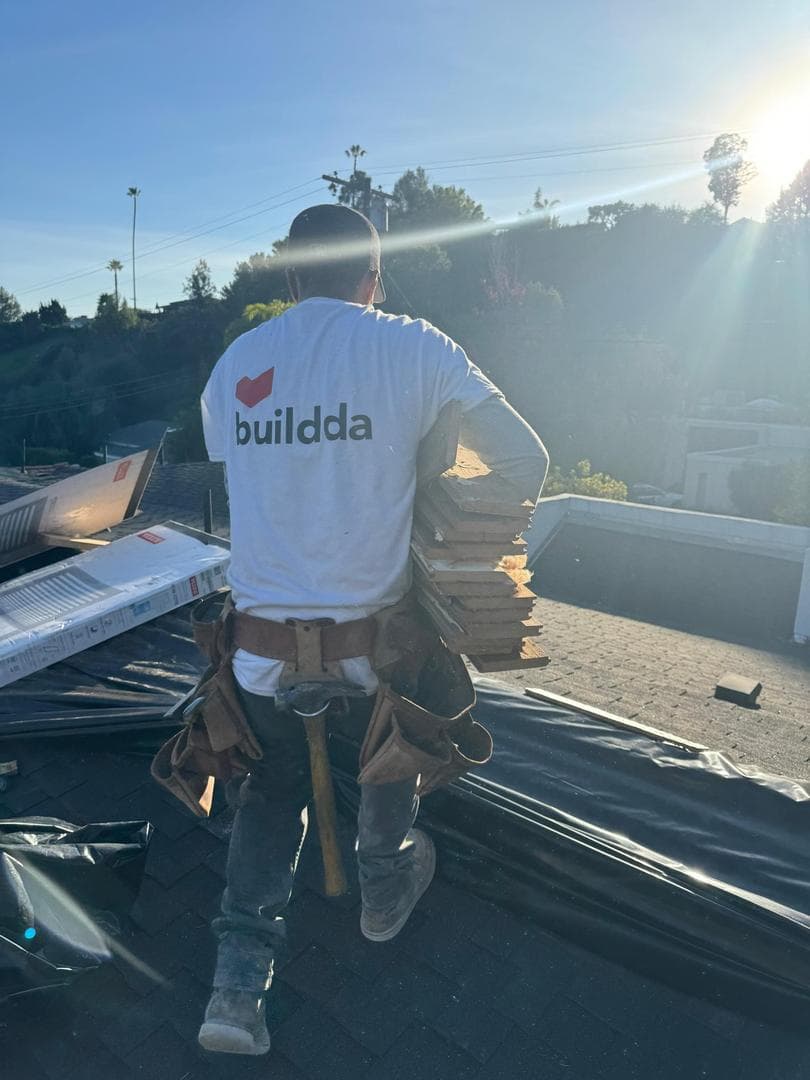
On this Culver City project, what looked like a simple trim paint job turned into extensive prep work once we discovered severe termite damage hidden under old paint. Multiple fascia boards needed full replacement before any paint could go on. We sourced matching trim profiles at the lumber yard to maintain the home's original look.
Step 3: Priming
Not every repaint needs primer, but these situations do: going from dark to light colors, bare wood or new stucco exposed by scraping, stain-blocking over water marks or tannin bleed, and surfaces that have been repaired or patched.

Step 4: Painting
Two coats minimum for a quality finish. Professional painters use a combination of spray application for large areas and brush and roller for detail work, trim, and cutting in. Spray-only jobs look good initially but often miss spots and provide thinner coverage.
Step 5: Final Inspection
Walk the entire perimeter with your contractor. Check coverage, clean lines, and proper masking removal. Address any touch-ups before the crew leaves.
4. Costs in Los Angeles County
Exterior painting costs vary based on home size, surface condition, number of stories, and paint quality.
Standard Estimates:
Single story, 1,200-1,800 sqft home: $3,500-6,000
Two story, 2,000-2,500 sqft home: $5,000-9,000
Large or complex homes (3,000+ sqft): $8,000-15,000+
Per Square Foot:
Budget (single coat, minimal prep): $1.50-2.50/sqft
Standard (two coats, proper prep): $2.50-4.00/sqft
Premium (elastomeric, extensive prep): $4.00-6.00/sqft
What Adds Cost:
Multi-story homes requiring scaffolding or lifts. Extensive prep work (scraping, patching, wood replacement). Premium paint products. Multiple accent colors or complex trim work. Occupied homes requiring careful masking and access coordination.
Buildda Tip
Get at least three written estimates. Compare them based on: paint brand and product specified, number of coats, prep work included, and warranty offered. The cheapest bid often means one coat, minimal prep, and no warranty.
5. DIY vs Hiring a Professional
When DIY Makes Sense:
Single-story home with easy access. Surface is in good condition with minimal prep needed. You have time (a typical home takes 40-60 hours of labor). You are comfortable on ladders and with power washing equipment.
When to Hire a Pro:
Two or more stories (safety risk with ladders and scaffolding). Extensive prep work needed (scraping, repairs, wood replacement). Stucco surfaces (application technique matters for adhesion). You want a warranty on the work. Time is a factor (pros finish in 3-7 days, DIY can take weeks).
6. Color Selection for California Homes
Popular Whites and Neutrals
Bright whites reflect heat and complement California architecture. Sherwin-Williams Alabaster (SW 7008) is a warm, versatile white. Benjamin Moore White Dove (OC-17) works on almost any style. Dunn-Edwards White (DEW 380) is a local favorite that handles our light beautifully.
Mediterranean and Spanish Colonial
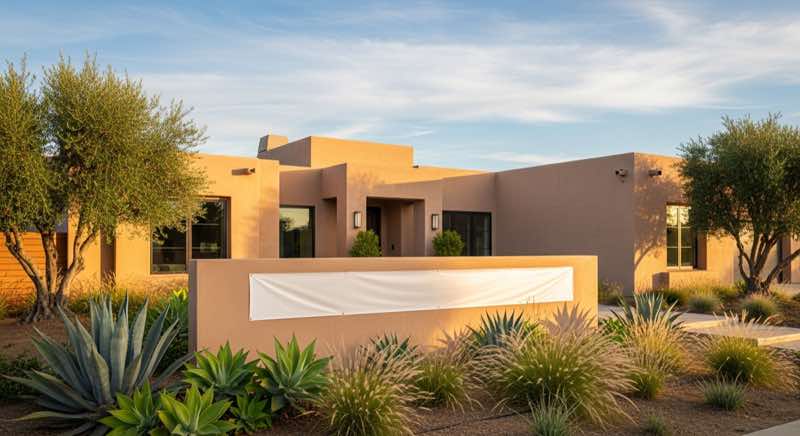
Warm earth tones (terracotta, sand, sage) honor the architectural tradition. Pair with white or cream trim for classic contrast.
Modern and Contemporary
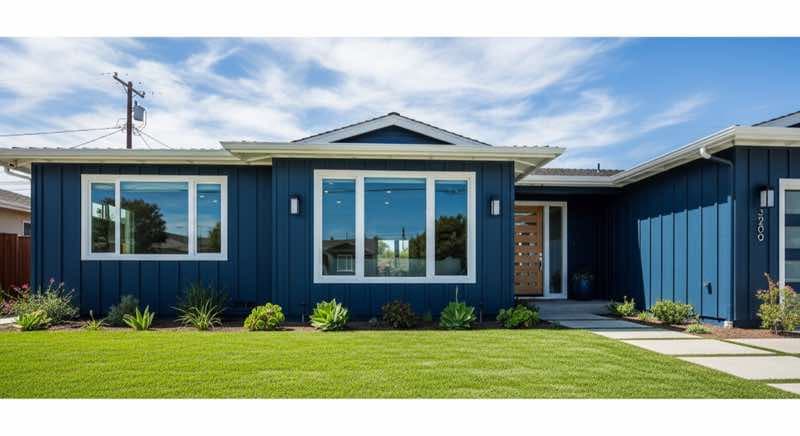
Bold contrast between dark body colors and white trim. Gray, charcoal, and navy are trending on modern California homes.
HOA Considerations
Many communities require HOA approval before painting. Submit your color choices in advance. Some HOAs maintain approved color palettes. Culver City does not have citywide HOA restrictions, but individual developments may.
7. Maintenance After Painting
Annual: Rinse with a garden hose to remove dust and pollen. Inspect caulking around windows and doors.
Every 2-3 Years: Power wash gently. Touch up any chips or peeling spots before they spread.
Every 7-12 Years: Full repaint (sooner for south and west-facing walls with heavy sun exposure).
8. Lessons From the Sunkist Park Project

The Sunkist Park homeowner originally called us about trim painting, full stop. Two hours into the initial walkaround, we knew the project was bigger than that. Three things you usually do not see until you start prepping:
The fascia is rotted under the paint. Termite damage in fascia boards is common in mid-century LA homes because the original wood trim was painted, repainted, and re-coated for decades, sealing in moisture rather than letting the wood breathe. We pulled boards on the Sunkist Park job that looked fine from the ground and crumbled in our hands. Replacing them with new wood, sourcing the right profile at the lumber yard, and priming before topcoat is the right sequence.
There is a stucco crack you have not noticed. The second-story crack on this project had been growing for years. From street level, it was nearly invisible. From a ladder it was a half-inch wide and a clear water-intrusion path behind the wall. Stucco cracks need to be repaired and re-textured before paint, not painted over.
The marine-layer climate punishes shortcuts. The home is close enough to the coast that the morning marine layer puts moisture on every west-facing wall daily. That is why we specified Sherwin-Williams Emerald rather than a mid-tier exterior paint. The cost difference per gallon is real; the lifespan difference (closer to 10-12 years vs. 5-7) makes it the cheaper option over time.
What an exterior paint project actually is, on a 25-year-old or older LA home, is a prep + repair project followed by paint. The paint film is the visible part. The wood replacement, stucco repair, and caulking work is what determines whether the new finish lasts.
9. Frequently Asked Questions
How long does exterior painting take?
Professional crews typically complete a standard single-story home in 3-5 days including prep. Two-story homes take 5-8 days. Weather delays can add time during rare rainy periods.
Do I need a permit to paint my house?
In most LA County jurisdictions, cosmetic exterior painting does not require a permit. However, if painting involves lead paint removal (pre-1978 homes), EPA RRP certification is required for the contractor.
Can I paint stucco in any color?
Yes, but lighter colors perform better on stucco in our climate. Dark colors absorb more heat, causing the stucco to expand more and potentially crack. If you want a dark accent, limit it to small areas or shaded walls.
How do I find a reliable painter?
Verify the contractor holds an active CSLB license (look up the number on cslb.ca.gov to confirm it is current and in good standing). Ask for references from local jobs. Get a written contract that specifies the paint product, number of coats, prep work included, and the warranty terms.
Local Tip: Exterior Painting in Culver City
Culver City homes span many eras, from 1920s Spanish Colonial Revival in the Culver Crest area to mid-century ranches in Carlson Park. Each style has specific paint considerations. Spanish Colonial homes look best with warm whites and earth-tone accents. Mid-century homes can handle bolder, more contemporary color schemes. The Culver City Building Safety Division does not require permits for cosmetic painting, but if your project involves lead paint removal, federal EPA regulations apply. Many Culver City painters are familiar with the local architectural mix and can guide color choices that complement your neighborhood.
Local Tip: Coastal Painting in Santa Monica and Venice
Salt air accelerates paint deterioration near the coast. Homes within a mile of the ocean may need repainting every 5-7 years instead of the typical 7-12. Use marine-grade or salt-resistant exterior paints. Aluminum and galvanized hardware on siding and trim corrodes faster near the coast, so inspect these areas during any repaint project. Venice's eclectic architectural mix allows more creative color choices, while Santa Monica's residential areas tend toward classic coastal whites and soft pastels.
Get Exterior Painting in Your Area
Professional contractors serving the Greater Los Angeles area
Popular service areas:
Also explore related services:


